PLANES, TRAINS, & AUTOMOBILES; AND OUR FREEDOM

The question is simple: If circumstances conspired to take away cars and licenses so no one could drive again, would anyone feel free?


no cars img_3425
Can folks feel free, or happy, in a land without cars?

Maybe I would. I couldn’t bum rides or hitchhike, true. But if no one could drive; if everyone’s cars were taken, public transportation might improve, right?  You  know — planes, trains, and buses — how would anyone feel?

Speaking for myself, I think I might get sad and depressed. Thinking about not being able to come and go when I want, of having to depend on public transportation to venture anywhere more than a few miles from home makes me sick to my stomach. Freedom to travel on my own terms is a big part of what it takes for me to feel free and, yes, happy.
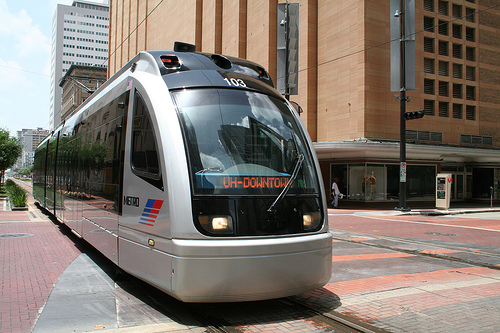

public transportation metrorail012109.21382537_std
If the only way to travel to another town was by train, how would people feel?

So why torment myself with thoughts about something that’s never going to happen? What’s the point?

In truth, many people don’t drive, especially in large metro areas like New York City, for example. Not driving is a choice. In theory at least, New Yorkers can buy cars and move to the suburbs. Knowing they can drive if they choose makes not driving not so bad, at least for most.
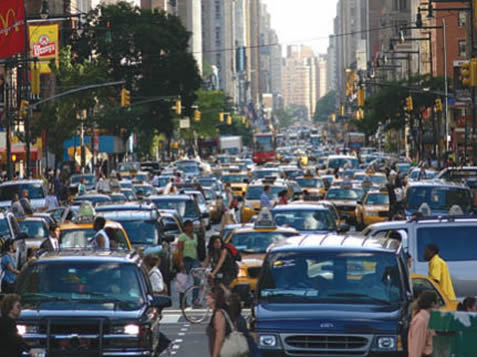

In New York City, most people don't drive.
In New York City, most people don’t drive.

Here’s my point. Someone is always telling us we are free, because we can vote for our leaders and start businesses; even keep the profits. No one can be arrested without cause. If arrested, all have the guarantee of due process and the presumption of innocence under the Constitution. Everyone can own guns and fire them in their backyards.

Is it possible that whoever they are might be right?


constitution 1
What good is declaring independence, if no one can drive?

Think about it. 

80% of citizens don’t vote regularly. 98% don’t own businesses unless franchises and pyramid-schemes like Amway count; then it’s 10%.

Few citizens are ever arrested, much less charged with a crime. And most folks — those who aren’t psychopaths — take no pleasure disturbing neighbors by firing rifle rounds in their backyards. In general most don’t participate in the privileges that define freedom.  People don’t feel their freedoms most of the time.

But here’s something else to think about: 95% drive cars.

Isn’t it cars that give the feeling of being free? Take away cars and no one has the same carefree feeling– no matter what the Constitution guarantees or profs teach in school or university.

People can go into the back yard and fire a hundred rounds from an assault rifle. All that will happen is their ears start to ring and their neighbors hate them. 


automobiles Latest-Fast-Cars
It’s cars that give us the feeling we’re free.

The thrill of freedom comes from stepping on the accelerator of a favorite car and feeling Earth slide away below us. Freedom is the feeling that anyone can come-and-go on their own terms whenever they want.


Traffic slowdowns and standstills are an assault on our freedom.
Traffic slowdowns and stand-stills are an assault on freedom.

Many Americans seem not to grasp that the right to drive is being methodically and relentlessly stripped away. In cities and towns across America, congestion on streets is presenting a clear and present danger to our way of life; it’s diminishing the freedom to travel under our own power; under our own direction, which is what everyone wants to enjoy.

Lousy roads, poorly planned road construction, neglected road repair, deteriorated bridges and tunnels — all assault freedom and degrade our quality of life. 
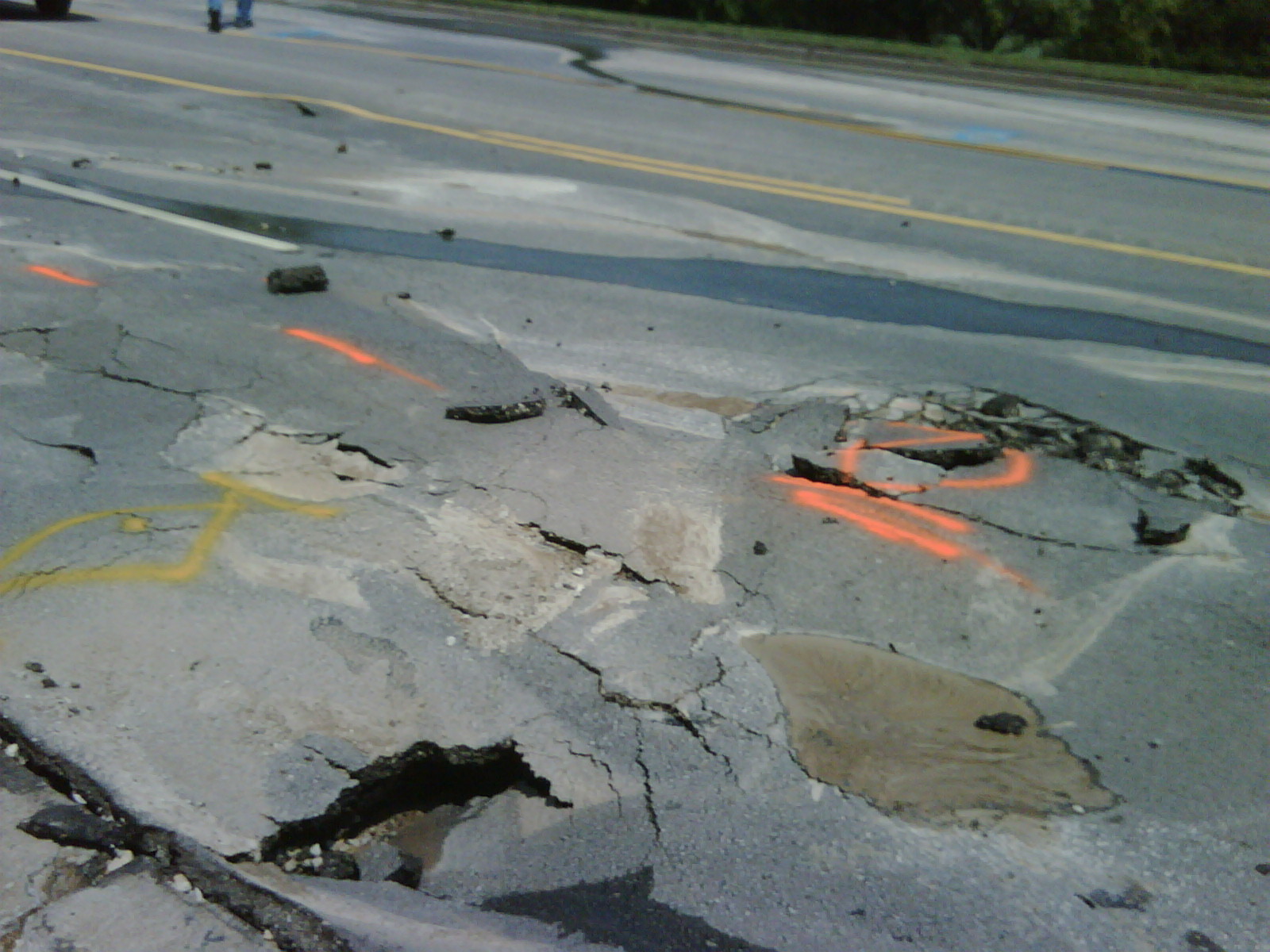

Bad streets are an affront to our freedom and should be thought of as such.
Bad streets are an affront to freedom. Right?

It seems obvious that four-hour waits in line to vote wrecks freedom, because waits discourage voting, the foundational process of any democracy.  But four-hour commutes, traffic slowdowns and standstills are just as disruptive. They break the efficiency of our lives and muffle the nation’s economy.

The folks who run America seem to care little about voting or roads. Americans might want to step up to put pressure on politicians to make driving free and unencumbered — make freedom on the road the number-one national priority.

Driving free must be first-in-line; it is our most heartfelt and defining freedom.
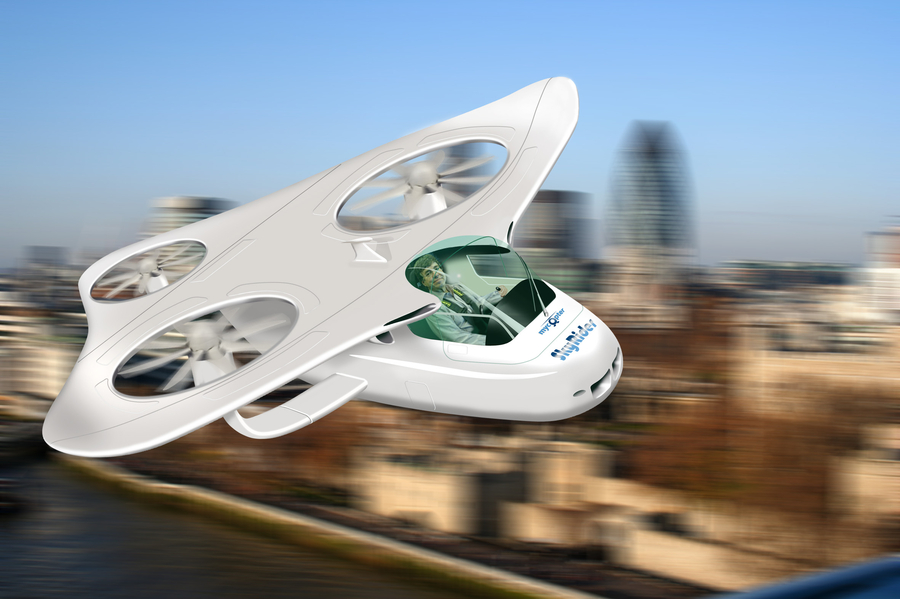

In a computer-controlled aircraft, passengers are only along for the ride.
In computer-controlled aircraft, passengers are only along for the ride.

I learned that a few companies have already designed aircraft to take the place of cars. In the years prior to 911, I toured a number of these firms to learn firsthand how they implemented computer software to organize their engineering drawings, bills-of-materials, and tech-specs for vendors.

The plan, then, was to unleash at the right time a new era of transportation options for the general public that included light aircraft.

These companies were designing planes to fly on autopilot along pre-established routes in the sky. They took advantage of the three dimensions of space the same way city planners use tall buildings to create more working space.

The idea was to eliminate congestion and speed traffic by stacking routes and putting computers in charge of flying instead of pilots.
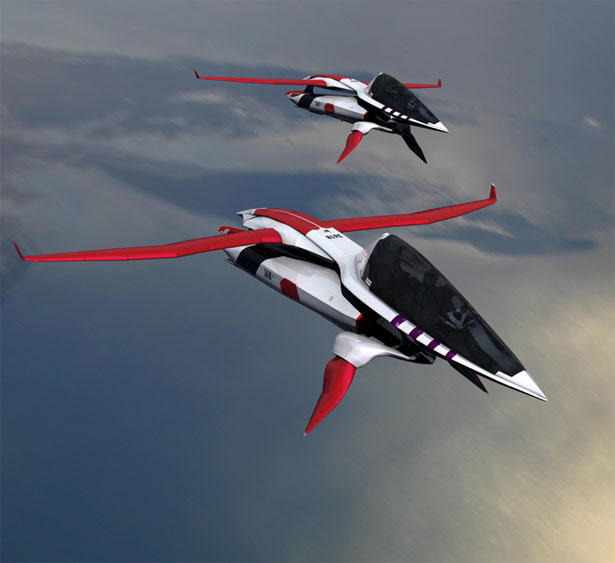

Sure the view is nice--when there's no clouds and you don't have to stop to stretch your legs.
The view is great — when the sky is clear, and no one has to get out to stretch their legs.

It all seemed like a good idea at the time. But the events of 911 changed planners’ views of what it might mean to put hundreds-of-thousands — maybe millions — of flying vehicles in the airspace above America — even if the craft were flying on autopilot under the guidance of computers.

Had 911 not happened, the plans were that by now on any given day at any given time people who looked up to the sky would see and hear hundreds, maybe thousands, of high-flying aircraft buzzing to and fro 24/7.
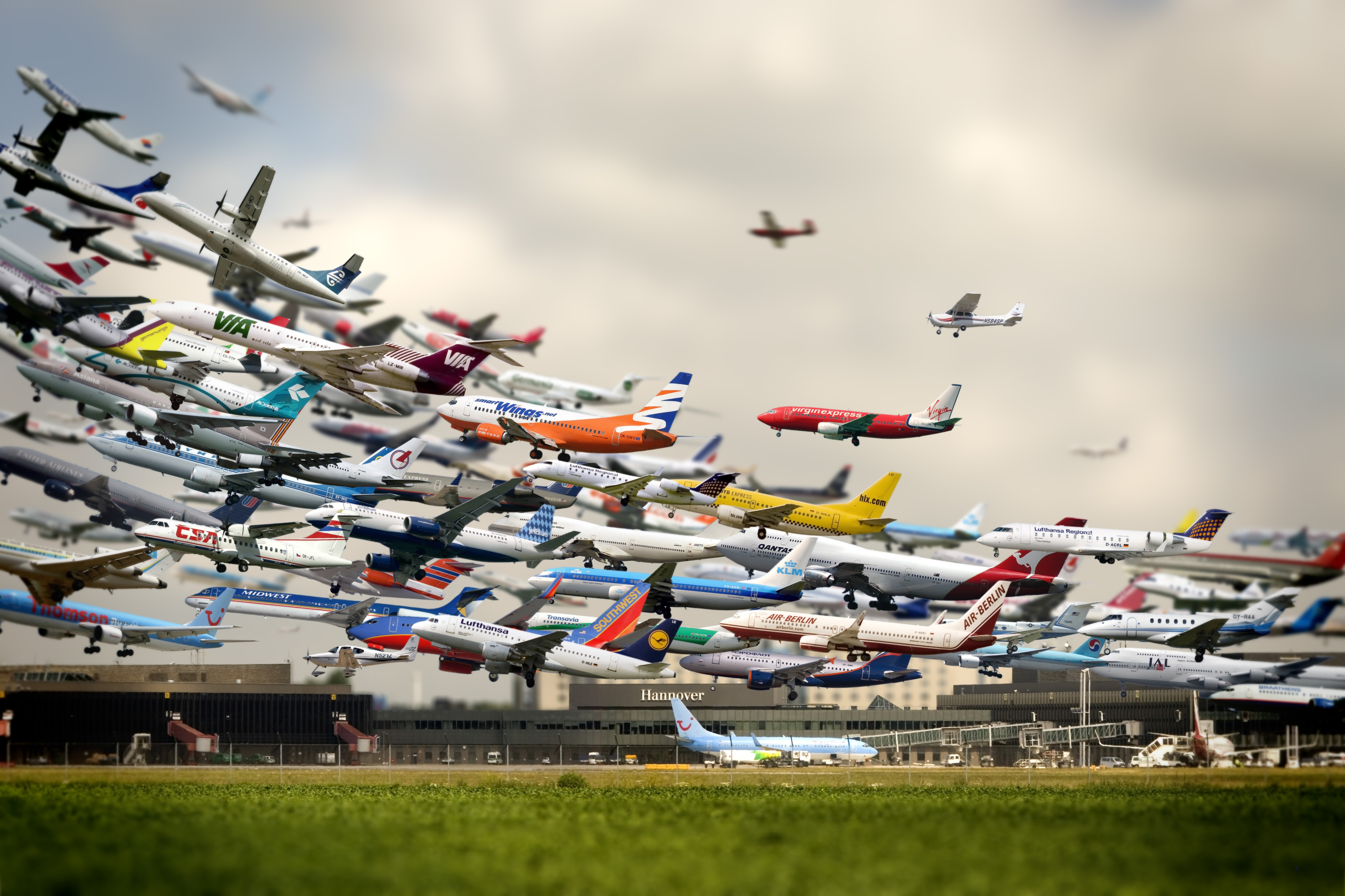

Computer-controlled aircraft flying on 3D highways are a transportation option available for implementation when the time is right.
Computer-controlled aircraft flying on 3D highways are a transportation-option, which is available for implementation when the time is right.

This high-flying, high-tech solution to highway congestion though shelved for now sits yellowing in the dark closet of national transportation options. It can be implemented when the time is right in the same way as the internet and personal-computer. But when it’s implemented, it will pose big problems.

3D highways in the sky populated by hundreds-of-thousands of computer-guided light-aircraft will have the same effect on travelers as if they were set on automated conveyor belts and whisked hither and yon.

The thrill that comes from commanding a piece of machinery and directing it to go where we decide will be gone. The feeling of empowerment and freedom experienced in cars will evaporate. 

Because — you know what’s coming, right?  If computers can direct the flights of millions of aircraft in three-dimensional space, they can do the same to cars on two-dimensional roads. And soon, very soon, they will.
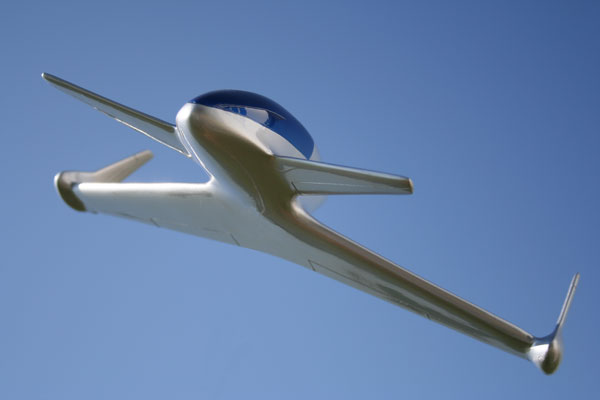

Yeah it's pretty. But if we're not flying it, do we really care?
Yes, it’s pretty. But if no one is flying it, does anyone care?

Because of over-population and the inevitable congestion it brings, the time may come when people will no longer be permitted to experience the freedom of a fast car on an empty road.

Our ancestors rode horses, after all. Most people have long-since adapted to the disappearance of the horse. Perhaps people will adapt. Circumstances will force grandchildren of today’s parents to go to private tracks to experience the lost joy of driving a car.

Riding in a computer-controlled helicopter, airplane, or other flying craft might become the norm for future travelers. People will be passengers — not drivers or pilots or navigators — for the duration of their trips. People will become dependent on another technology they don’t understand and can’t control.

We are likely to become a nation of flying and driving sheep who graze in a huge three-dimensional sheep-pen.

Will freedom ring?  Will people feel the thrill that comes from directing the path of complex machines that run like wild horses?  Will they feel the power that comes from being free?

Will children of the future experience the exhilarating freedom enjoyed by their parents during their season of control when no one felt threatened by a vice-grip embrace of an artificial-intelligence that is hovering ominously on the horizon? 

I don’t know.

Billy Lee

WHY DO HUMANS LIKE MUSIC?

No one knows why humans like music. Dopamine floods our brains when we hear patterns of sound, that’s all. Scientists are conducting research.


April 1, 2014:  Scientists in Jefferson City, Missouri discovered lab mice could play saxophones sold on Amazon. 

One surprise for me at least was to learn some animals enjoy music. It should resonate with their heartbeats and play at natural, species-specific pitches and timbres.

It takes effort to create music animals like. They won’t pay for it. Even pets—most anyway—don’t self-identify as music lovers.


The Prairie Dog Three are currently on tour in Utah and New Mexico.
The Prairie Dog Three, currently on tour in Utah & New Mexico.

As far as I know, only one species takes time to create tools to play music: homo sapiens. Yes, animals like gibbons, birds, whales, insects—even dogs next door—make noises that sound suspiciously like music to most humans. Research is ongoing.

Some philosophers say music is not something that can exist in the universe apart from conscious life. Music seems to require minds to produce and at least one semi-conscious mind to like.

Sensations of pleasure initiated by vibrations of air entering ears is the result of auditory hallucinations created by brains. Air molecules bounce off structures, which stimulate brains to manufacture mysterious qualia called sound, which in turn unleashes avalanches of chemical (emotional) reactions within the body.

Many parts of the brain are involved in music appreciation. Researchers report visual, tactile, olfactory, and gustatory areas of the brain are woke by music. Research continues—sometimes with focus on definitions of peculiar words like olfactory and gustatory.


music what sound looks like
3D image of musical sound. Sound doesn’t look like what sound sounds like.  …mmm…ahhh…

There seems to be no similarity between simple vibrations entering ears and complex, textured mental experience conjured by music. It might be sad for some readers to learn when Universe ends, it takes music with it.


Thomas Edison wore the phonograph he invented on his head as a hearing aid late in life.
Thomas Edison placed phonograph he patented on his head.  He thus invented world’s first hearing-aid.

Most people did not hear much music before the invention of the phonograph in 1877. What music they heard was played mostly by itinerant flute musicians and occasional wood-nymphs on tambourine.

It took decades for the phonograph to become enough widespread to impact the listening habits of average people. As music technology evolved to become pervasive, its mystery inspired some scientists to try to figure out just what the hell was going on.


music 1
Simon Cowell stops cotton-candy from dribbling out his ears. Simon’s television career revealed he is unable to evaluate musical talent.

Current research suggests that as many as 4% of humans do not enjoy music. Whatever process is not going on in their heads, it seems inherited. Some simply lack genetic coding required to process musical pleasures. If all life mimicked these unfortunates, music would cease to exist.

Some make claim folks would not miss it. Music is not necessary for survival, they insist. Humans have lived on Earth for maybe millions of years without any but the most primitive forms.


Grandma, when she was younger.
Young Grandma. Note bulky headphones popular 50 years ago.

That might be. But irrepressible popularity during past 50 years in all parts of the world is proof. People like music. It’s going nowhere.

Here’s some music to help persuade skeptics:


Billy Lee

Update:  5 July 2016: When Billy Lee wrote this essay two years ago, he was naive; he didn’t know about the dark side of music. Recently he learned that music has been used by intelligence agencies since the 1980s to torture people.

Imagine being forced to listen to old sound tracks from the Lawrence Welk Show over and over. It’s a sordid, terrifying prospect.  Billy Lee didn’t want to soil his essay by discussing it.

Alex Ross’s article in the 4 July 2016 issue of the New Yorker Magazine ripped open the underbelly of this stinking carcass of evil. Ross titled his essay, The Sounds of Hate.

Since then, links to the essay have been retitled to When Music is Violence. No one at The Pontificator knows why print version and Internet version titled differently.

The Editorial Board

INERRANCY AND DOCTRINAL PURITY

How did the Christian Bible come to be?

It’s complicated. I’m sure I don’t understand it.

I imagine men wrote many books over hundreds, even thousands, of years. The best of these books were collected by other men interested in truth, ethics, and the nature of God.

These men were, I suppose, prominent in law, medicine, politics, philosophy, and religion. They selected books that presented a consistent view of their ideas about Jesus and what he had done. They prayed that God would guide them as they organized their chosen books into a collection, now called the Bible.

We know they believed God answered their prayers, because they included in the Bible this passage: all Scripture is God-breathed and useful for teaching, rebuking, correcting, and training in righteousness….

By AD 400 Jerome produced a definitive Latin edition of the Bible called the Vulgate, which effectively set the Canon of the New Testament. The Canon of the Old Testament wasn’t fully agreed on until after the Protestant Reformation in the sixteenth century.

One notable change: the Book of Sirach (which Jesus quoted) was dropped to make the Protestant Old Testament match the then current Judaic Canon.

In the 13th century, Stephen Langton divided the Bible into chapters. In the 16th century, French printer, Robert Estienne, divided it into verses.

Today, the shepherds of Christianity spend years studying the books of the Bible, their histories and pedigrees. Some believe God has called them to shepherd the faithful by keeping church doctrine consistent with the “inerrant” Scripture of the Bible.

In the two thousand years since the crucifixion of Jesus, the pursuit of inerrancy has led — by some accounts — to the establishment of over forty-thousand Christian denominations.

It seems reasonable to ask: if Scripture is inerrant and plainly written, why so many denominations? Are the large numbers the result of a godly pursuit of “inerrancy” or from other causes? The extraordinary number of denominations — many formed after the Protestant Reformation of 1517 — leads me to think that the natural tendencies of young pastors, chafing under the authority of those with whom they disagree, may play a role.

These leaders seem to share the conviction that God chose them to fight the good fight against false doctrine. They defend their understanding of God’s inerrant word against all comers. Sometimes, it seems to me, they end up increasing their influence but leave weakened churches and damaged denominations in their wake.

I think I know why these men don’t fight and win their battles within the denominations they were called to serve. I imagine it doesn’t occur to them, because they see themselves as protectors of congregants who could be eternally harmed by contact with heretics.

And, in truth, it’s stressful to submit to church authorities with whom they disagree, especially in matters of faith. Some can’t deal with it. The pressure is too great. They find themselves in an uncomfortable cognitive-dissonance between the truth of Scripture as God has revealed it to them and another compelling biblical principle: submission to the authorities established by God Himself.

It’s a psychological double-bind of excruciating pain for those who take seriously their vows to serve Christ. It takes a lot of prayer and the support of the saints to determine God’s will and muster the strength to endure it. These leaders sometimes choose to break away to form new churches — new denominations — where they can better manage their message. And in the end, if the history of the Church is a guide, God is faithful to justify the conscientious men who belong to Him and heal their divides.

Where does this idea about “inerrancy” of Scripture come from, since the Bible was written by men, and gently hides mankind’s many prejudices and ignorant ideas about history and science? If Scripture is inerrant — and I believe it is — its truth must come from God alone. God makes Scripture true, even when human logic, common sense and evidence seem to speak otherwise.

Sometimes God condescends to endow truth to Scripture as a concession to our hard hearts and inabilities to love each other the way we should. Jesus said as much when he replied to the famous question Pharisees asked about an apparent contradiction in the Bible concerning divorce, recorded in Mathew 19. Moses permitted divorce, contrary to God’s original plan, Jesus said, because people’s hearts were hard.  

The Bible plainly says we live in a time when the law of God is written on our hearts. The law is no longer written on stone, unless it is our hearts that are made of stone. We know in our hearts — where the law lives — we should love more.

Loving more means, it seems to me, judging less for one thing.  We should pray we can love more our spouses, our sisters and brothers, mothers and fathers, and especially our neighbors, both gay and straight.

Yes, making safe spaces for gay folks to worship Jesus and to grow in holiness within our churches is a controversial subject these days. But it seems to me that those of us who are straight share with our gay brothers and sisters a life-long desire for sexual sin. That we can better hide our sinful desires gives us no advantages before Christ, our redeemer, because he sees into our hearts and knows we are, by nature, sinful and in rebellion against God — pretty much all the time.

This much we know. Love pleases God more than hate. We should know that tolerance and inclusion please God more than intolerance and exclusion, because the Bible says, God is love.

But those of us who belong to Christ Jesus know more. If we honestly face our past and examine our hearts, we know that God loved us first, before we even knew who He was, while we still numbered ourselves — many of us — among the most ungodly on the earth.

jesus resurrection flying-doveShouldn’t we love those who are like what we used to be?

Of course, we should. Yes, it’s difficult, because most of us want to forget our pasts and move on. Will we really move on without first rescuing our fallen friends? Some can be found within our churches. Will we abandon them on a battlefield of doctrinal purity?

With God’s help, I know we won’t.

Billy Lee