Inside the shadows of the lanai next door lurks a loquacious parrot. Bevy Mae and me can’t see him, but we know he’s in there, because he talks — a lot.
We want to meet him. But we are visitors on vacation, and it doesn’t seem quite right to walk up to the neighbor’s front door and announce, “Hi, we’re the neighbors from up north. Can we see your talking parrot?”
It seems a little forward, like something kids might do, right?
Every morning the parrot wakes us up with cries of “Lisa!” and “Chuck, Chuck!” When Chuck and Lisa don’t come running (and so far they haven’t) he can throw a bit of a hissy-fit and bang his cage like a tin can. Sometimes he hurls what sounds like obscenities.
I don’t want our neighbors — who I’ve met by the way; sweet folks from South America — to imagine that my wife and I don’t anything but adore their bird. We really do.
The parrot has an astounding repertoire of words and phrases that are nothing short of amazing. His Burt Lancaster accents and phraseology make me believe he may have been in the movies.
We will keep you posted on all the cute things he says and does.
4:30PM The talking parrot was well behaved this afternoon. He said the following:
This month marks the 43rd anniversary of the birth of Joint Issue, a publication my friends and me produced, which became the Newspaper of Record for the anti-Vietnam War movement and counterculture “happenings” in East Lansing, Michigan during the years 1971-1973.
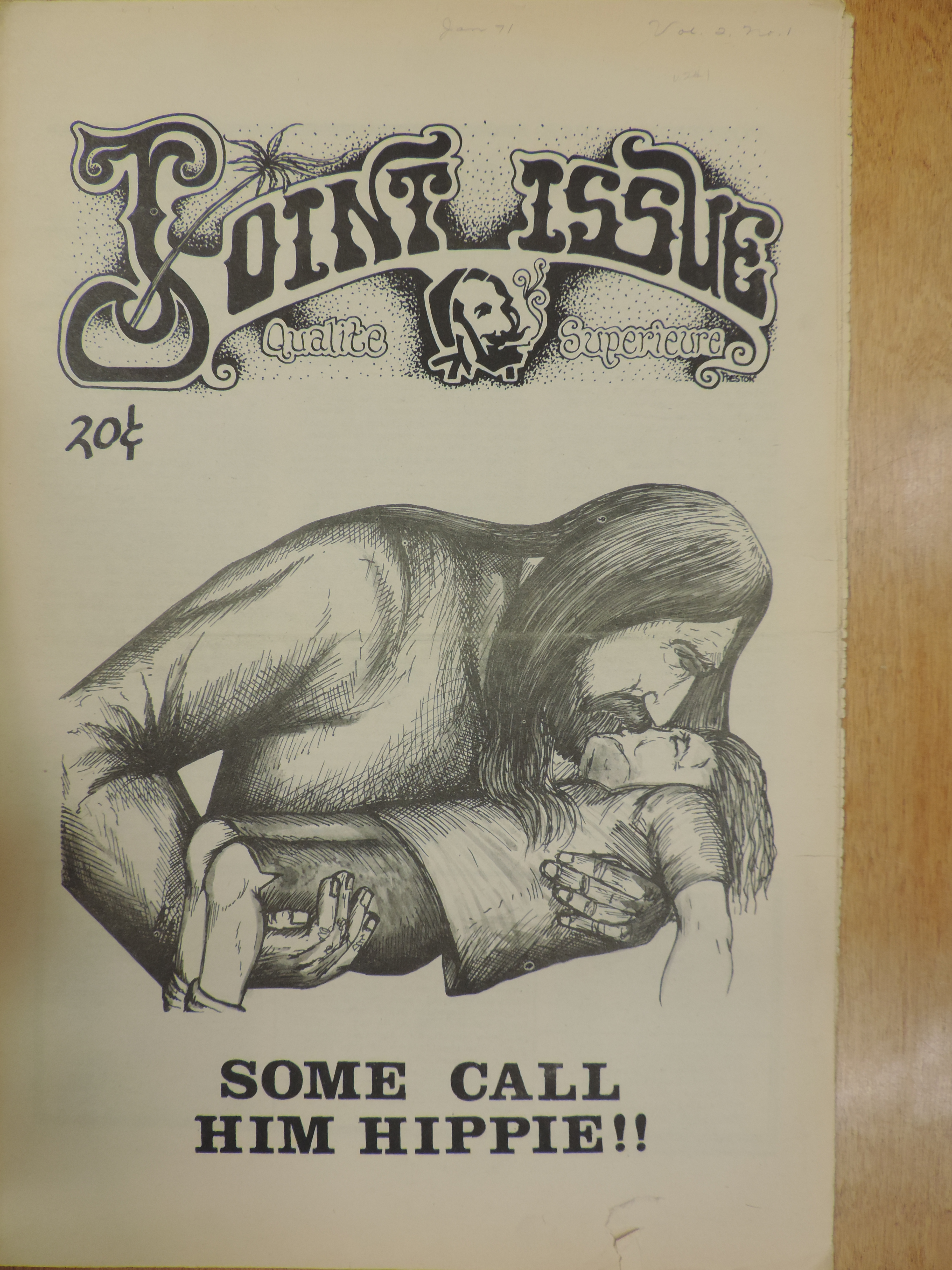
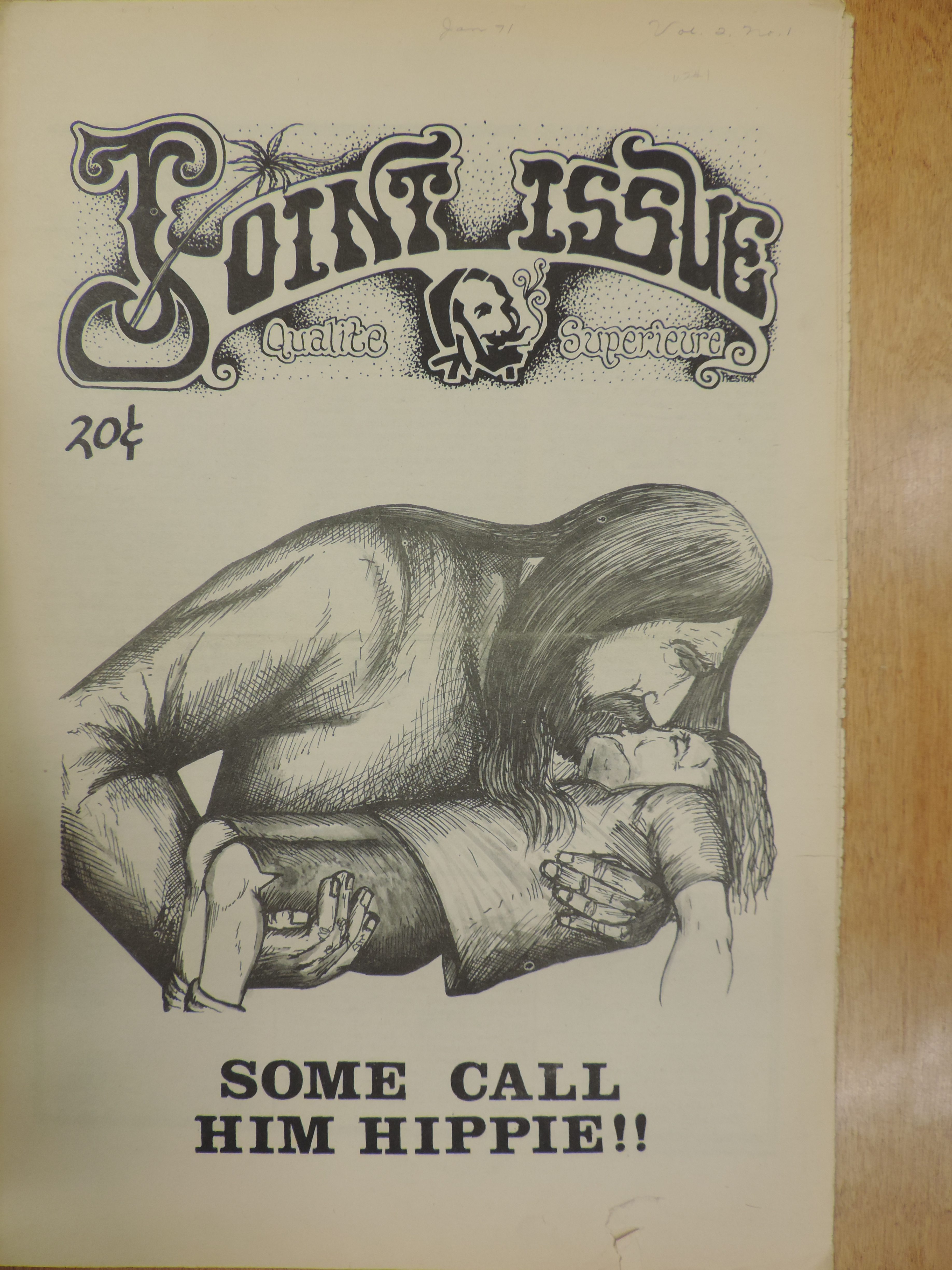
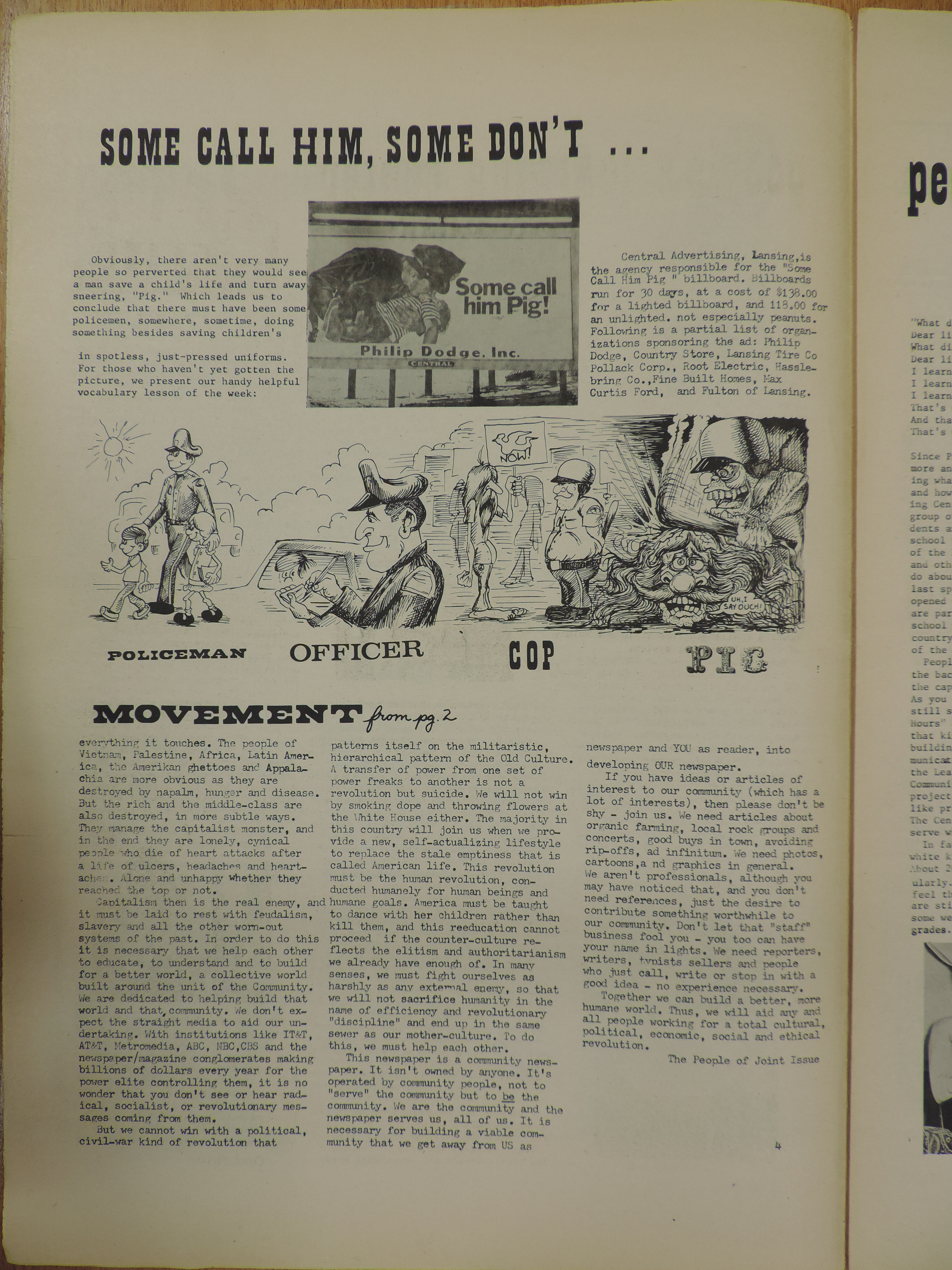
Hippie Rescues Drowning Child. Michigan legend, Denny Preston, illustrated this famous cover from the Underground Press.
Other papers like the Red Apple News, The Paper and the Bogue Street Bridge were around before and after Joint Issue. But none covered the anti-war movement and the counterculture like Joint Issue. None commanded the large readership, the community support, — including substantial advertising by local merchants — or the attention from police and other protectors of public morals.
Every local “radical” of consequence passed through our doors at one time or another. Every Lansing-area revolutionary and revolutionary wannabe read our paper and tried to know us.
Even the MSU police paid a visit from time to time. At 3AM one morning we found them in our Student Services office rummaging through our stuff. No warrants required, of course.
During the past months I have reread many of the old issues that me and my friends Ken, Davy, Patti and others once proudly worked to publish. It’s amazing how prescient we were, how many of our “wild” ideas caught hold and became mainstream. But there are disappointments too. Some causes, like gay rights, are still being fought. Editors Note:In June 2003, the Supreme Court legalized gay relationships; on 26 June 2015 all gay marriages became legal and constitutionally protected in the United States.
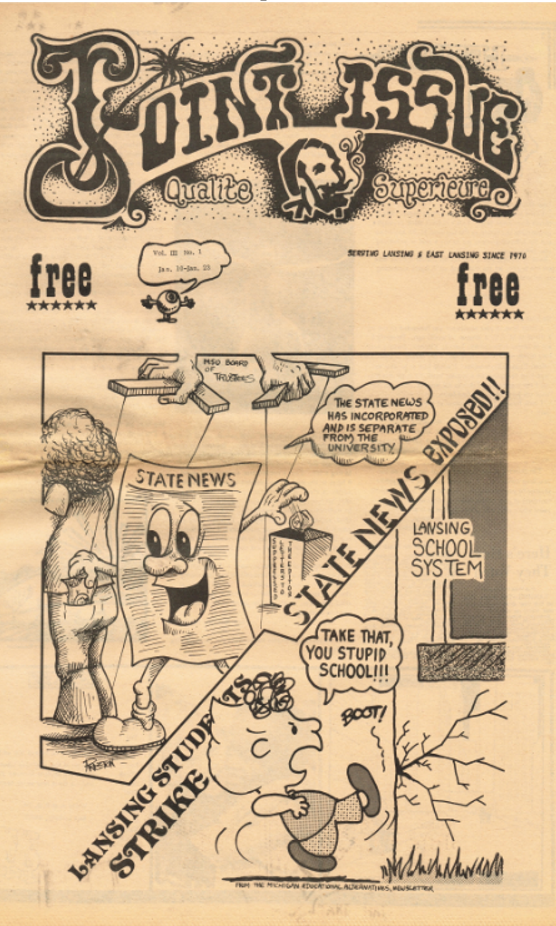
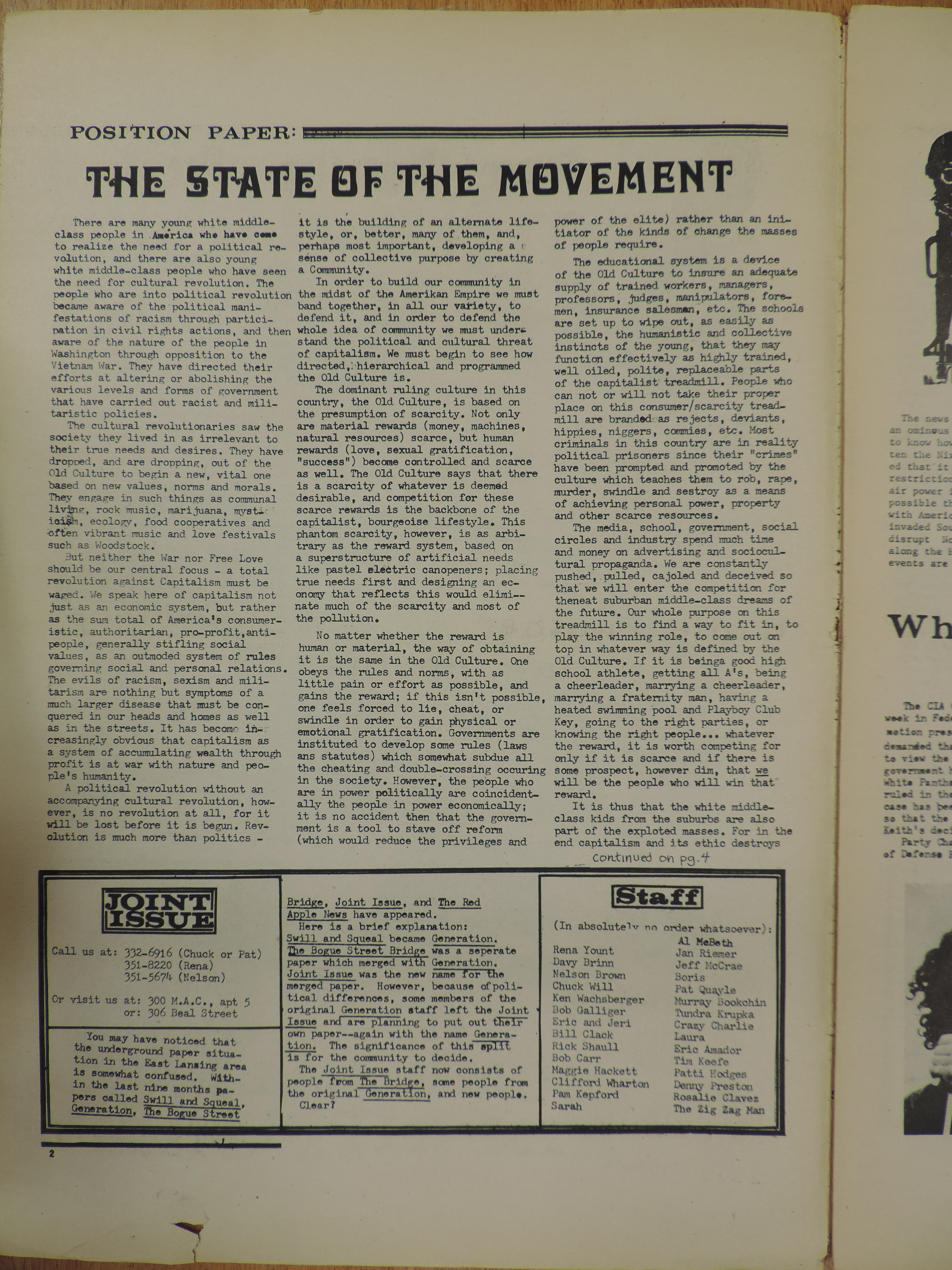
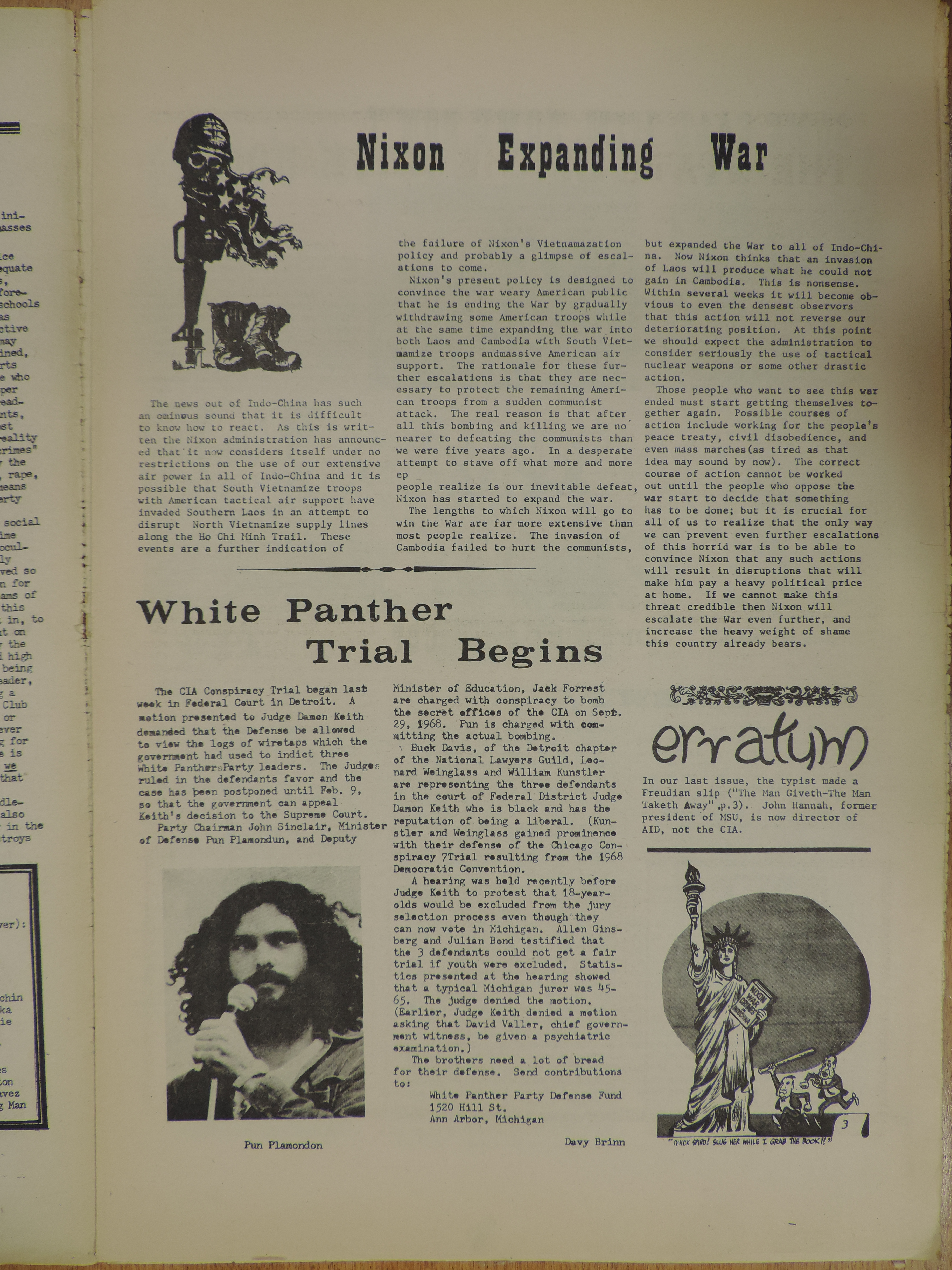
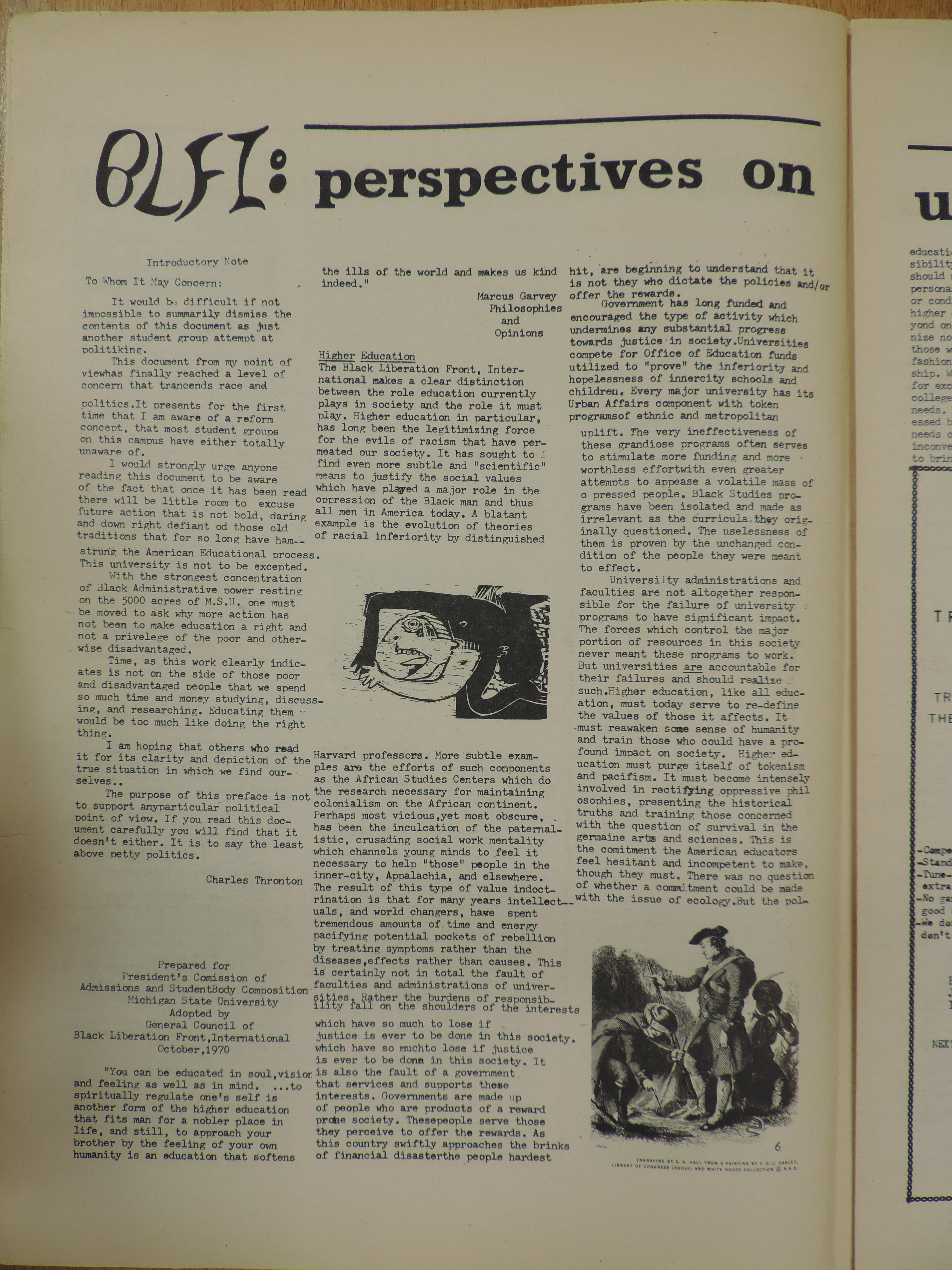
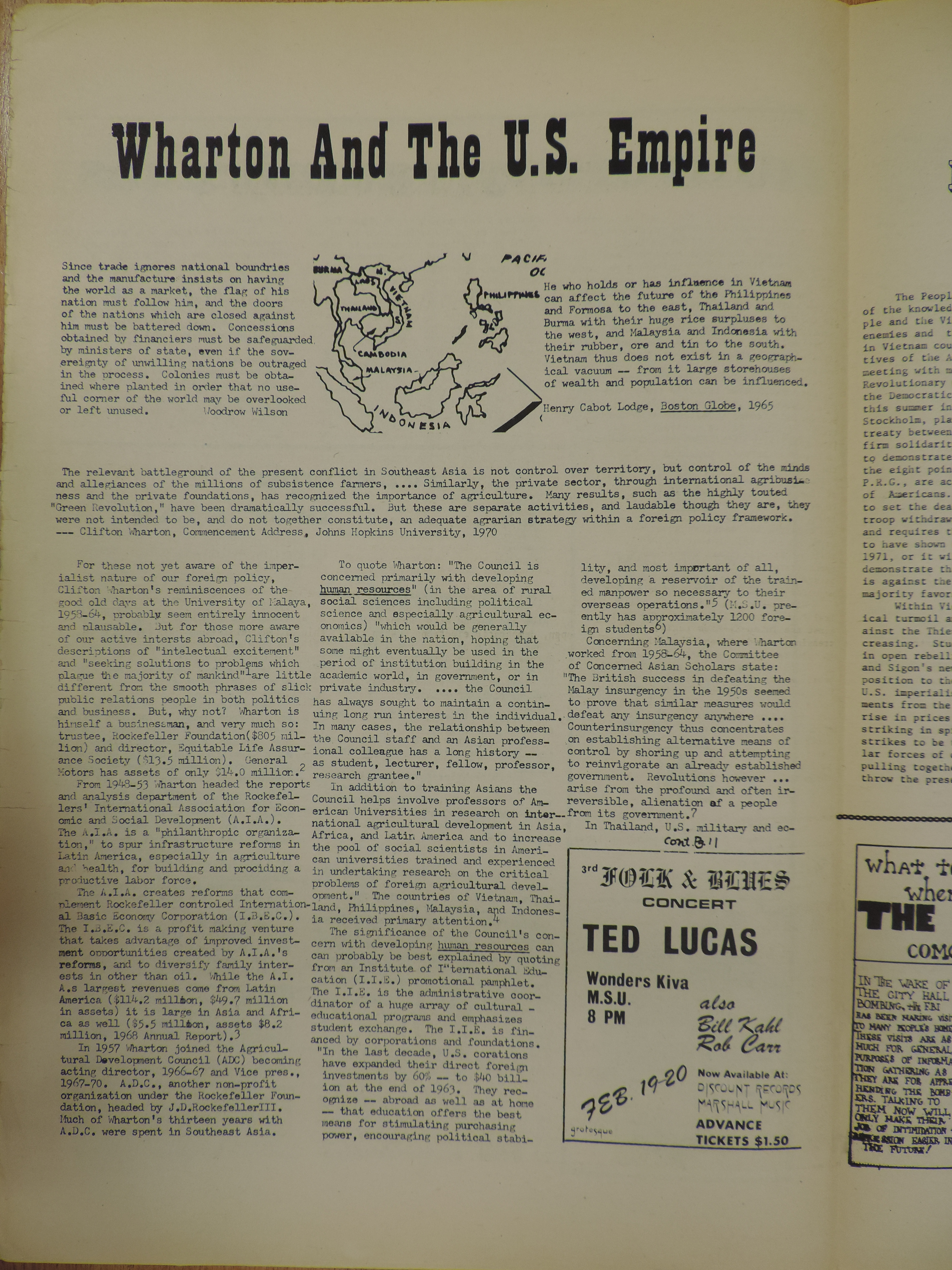
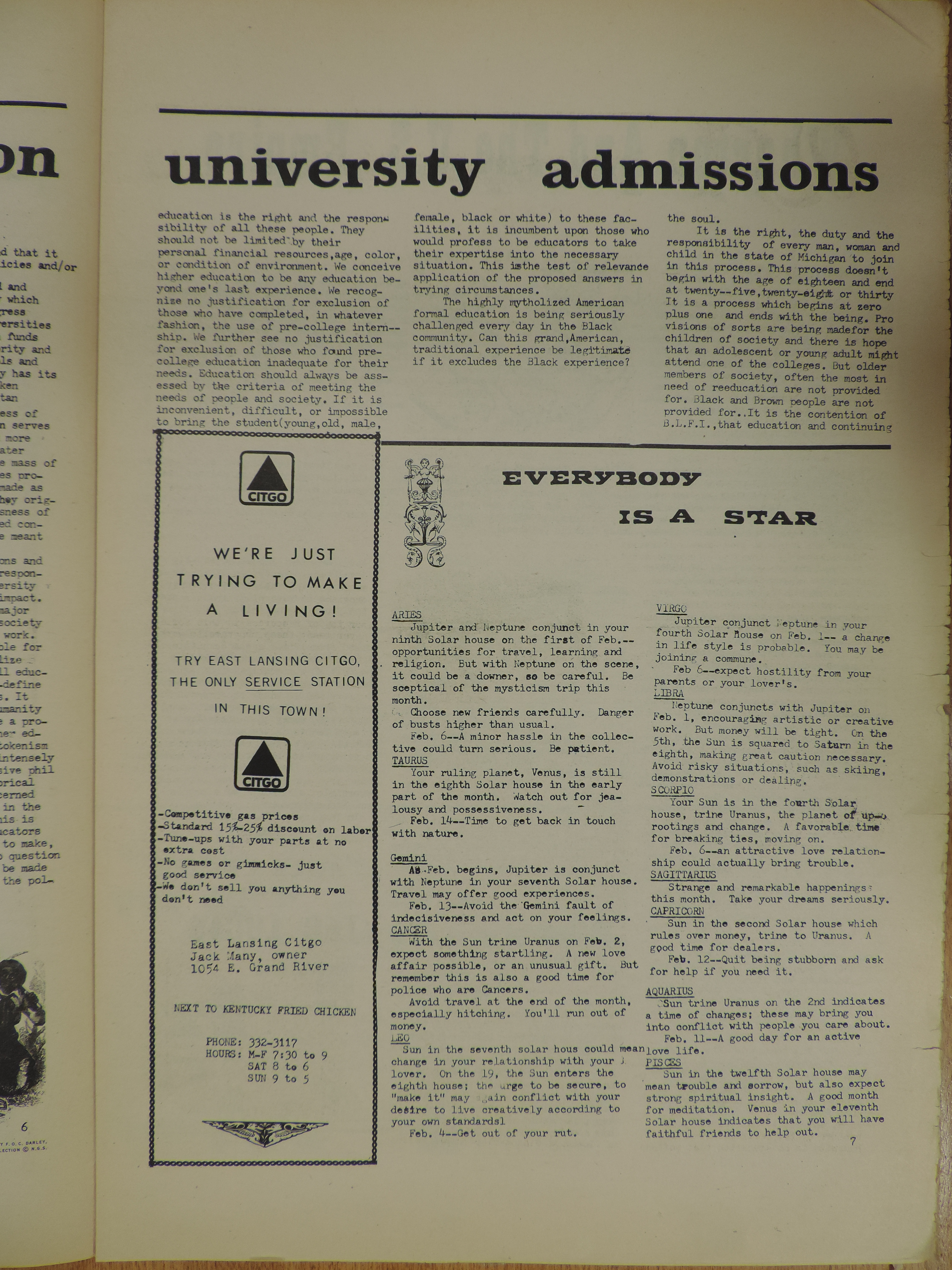
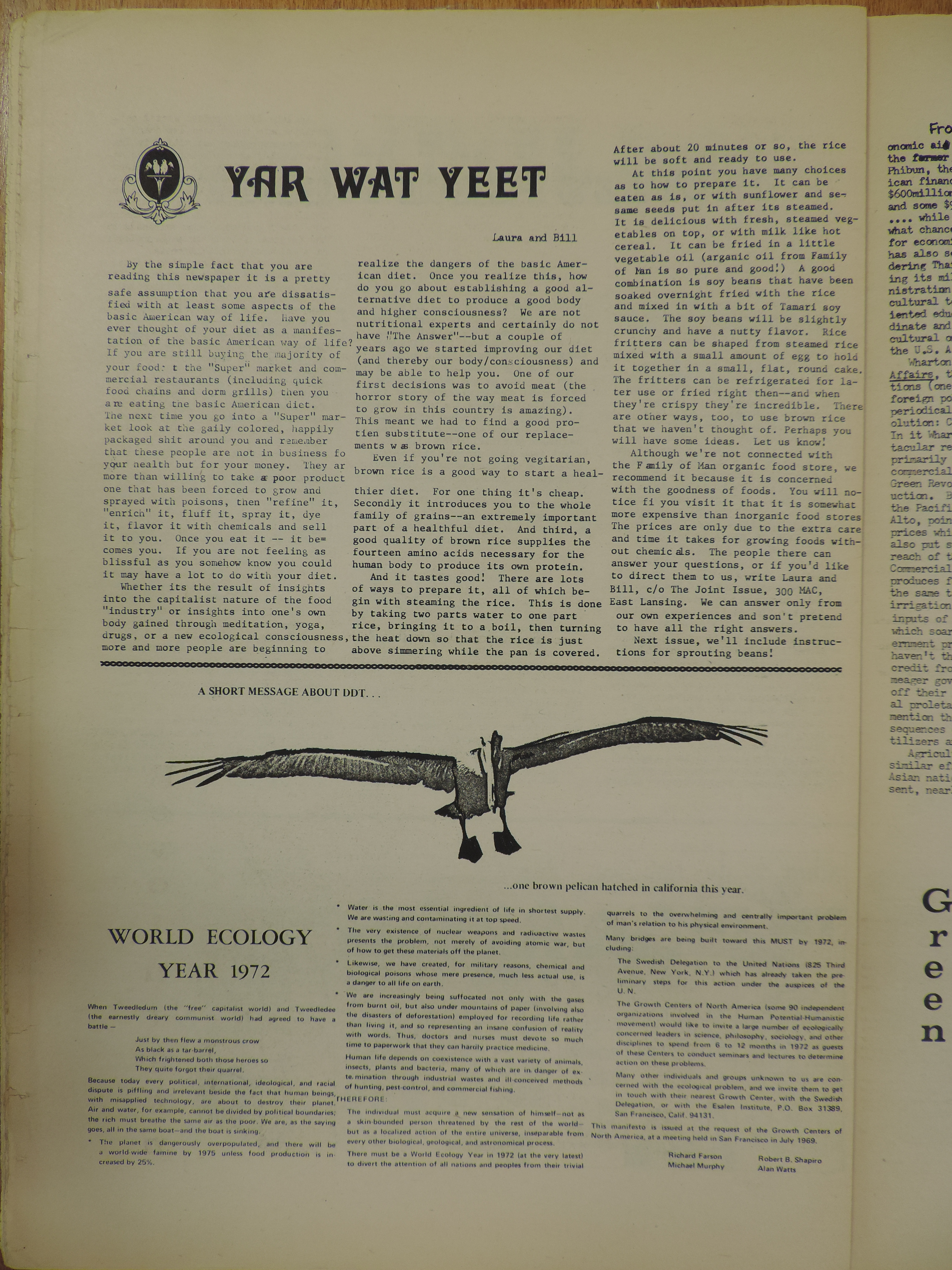
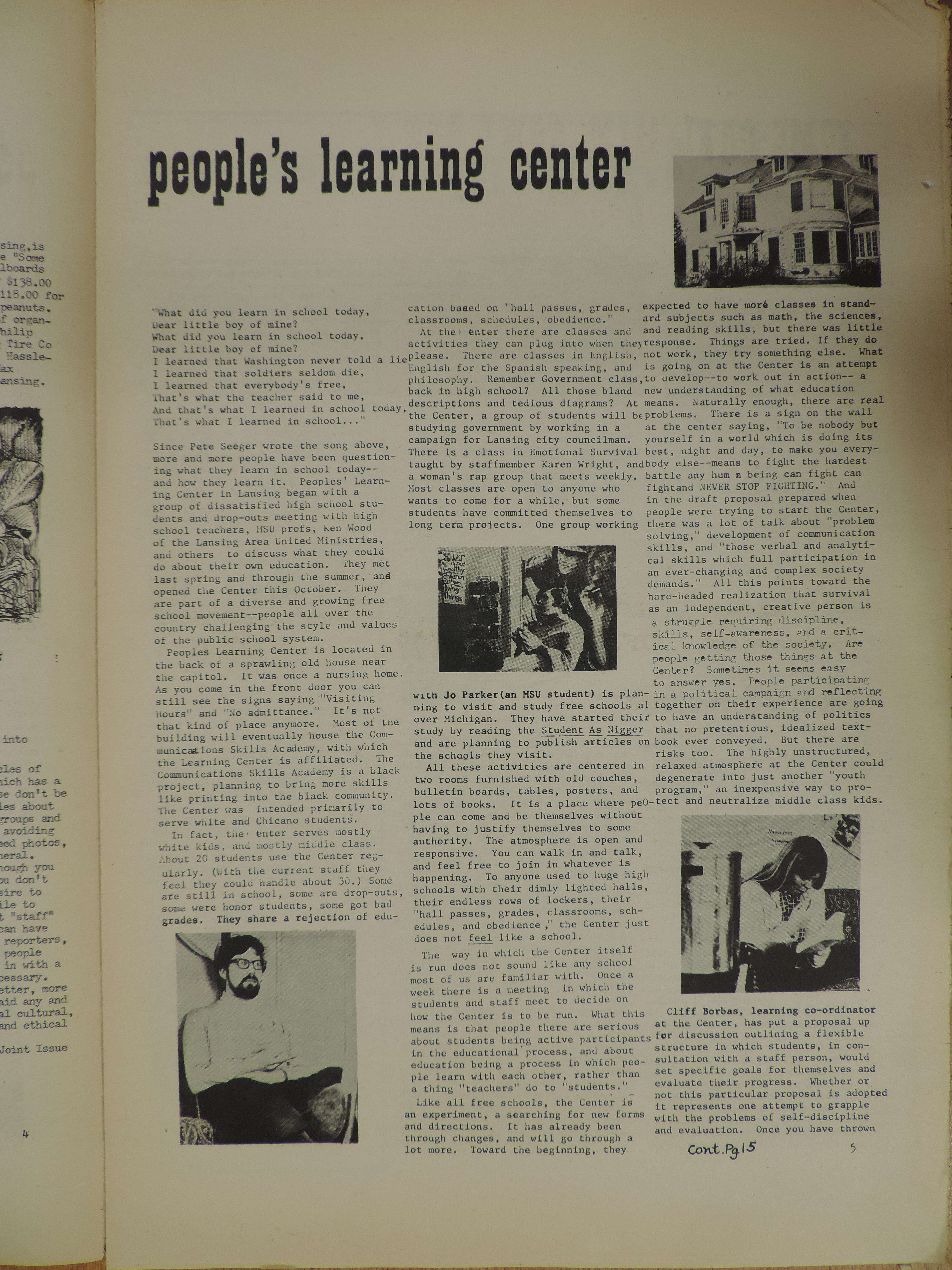
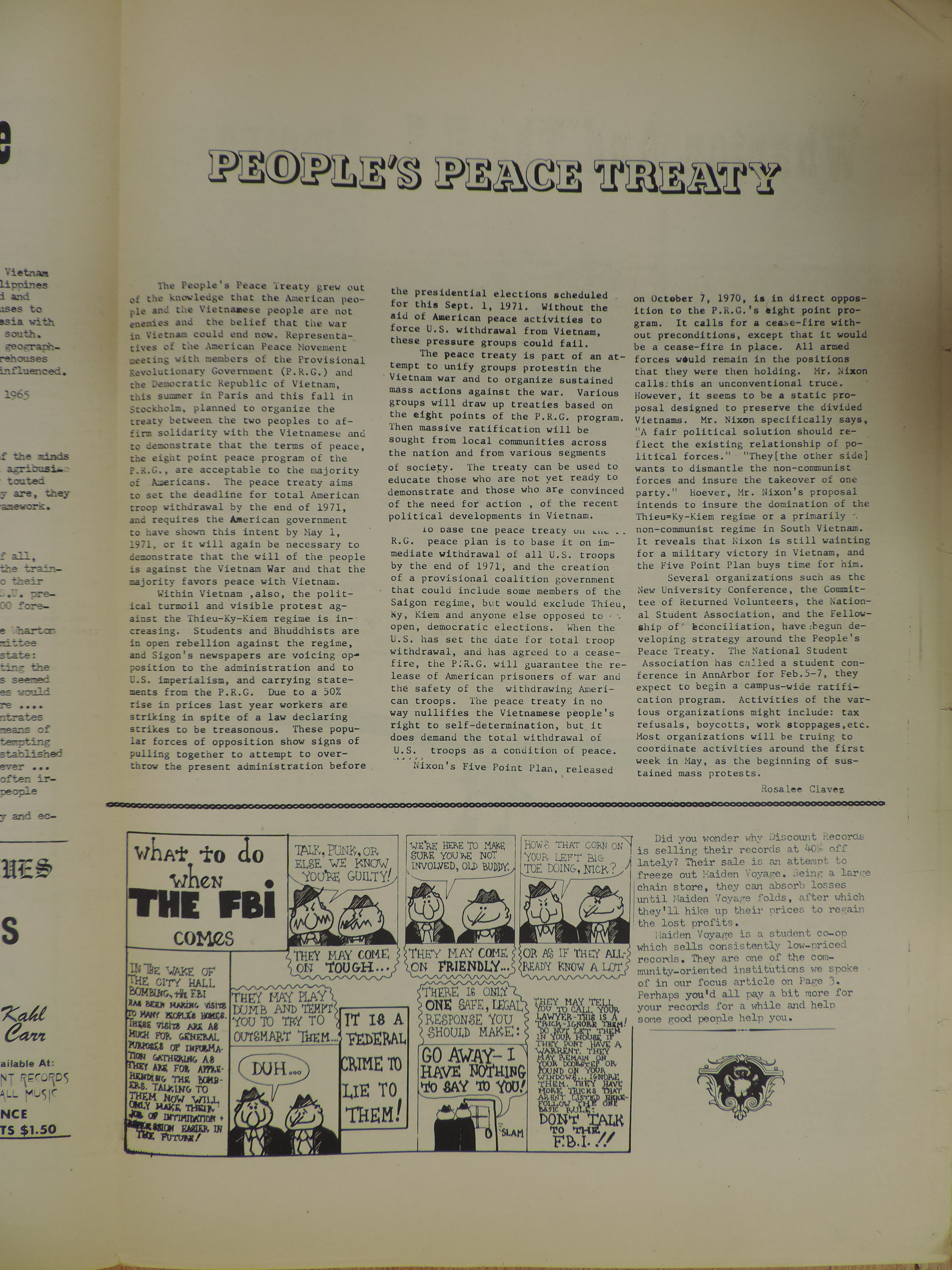
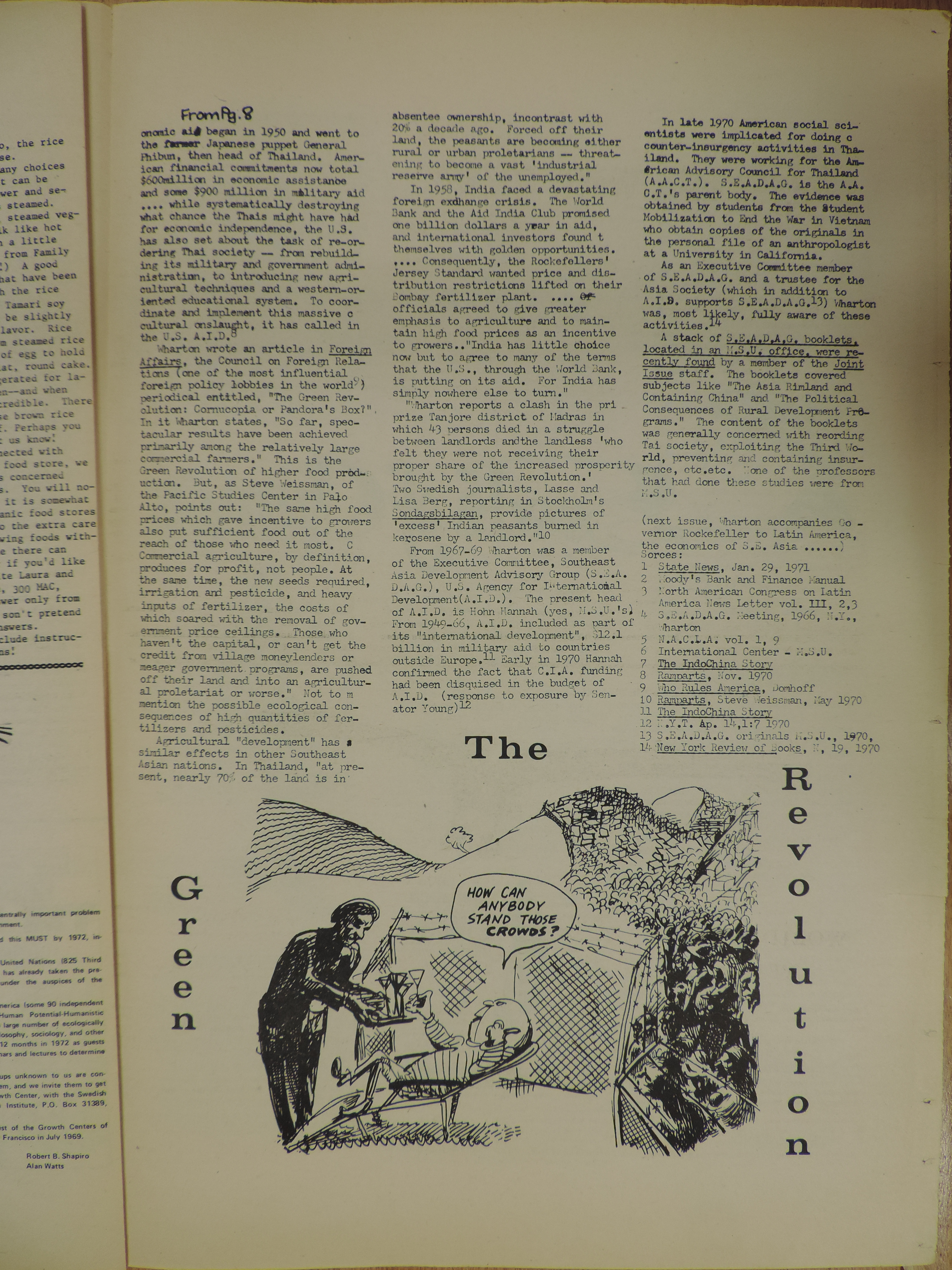
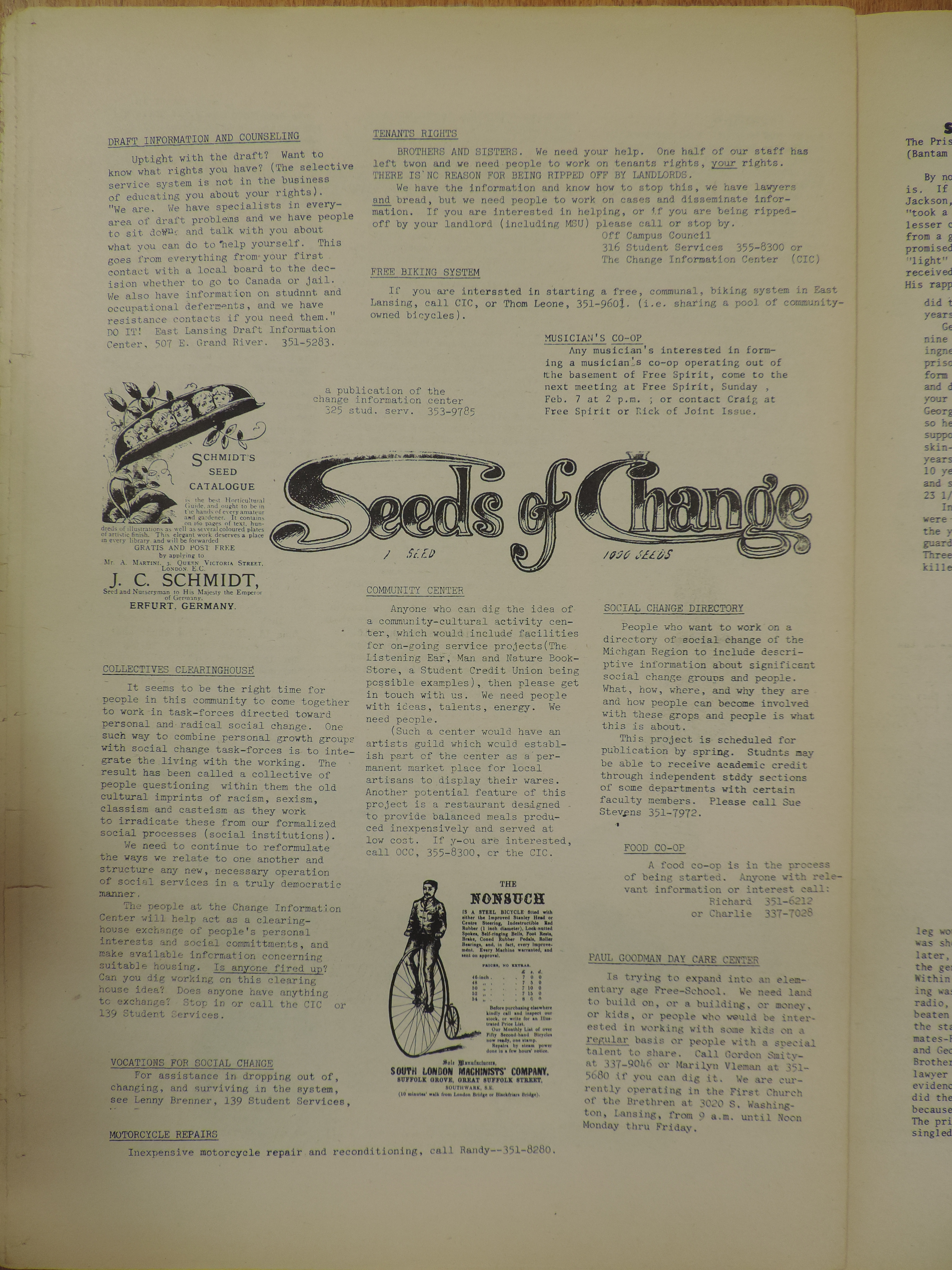
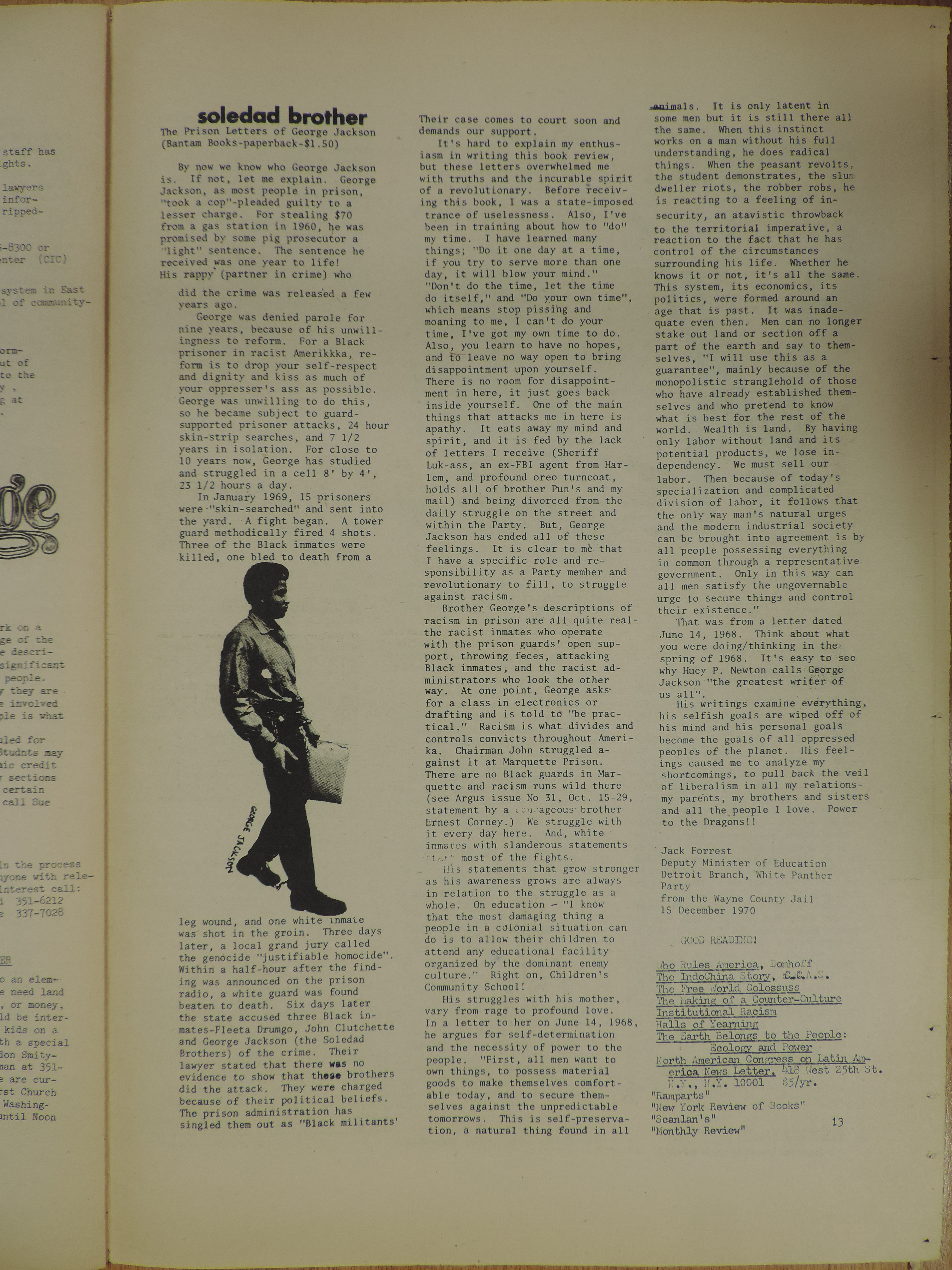
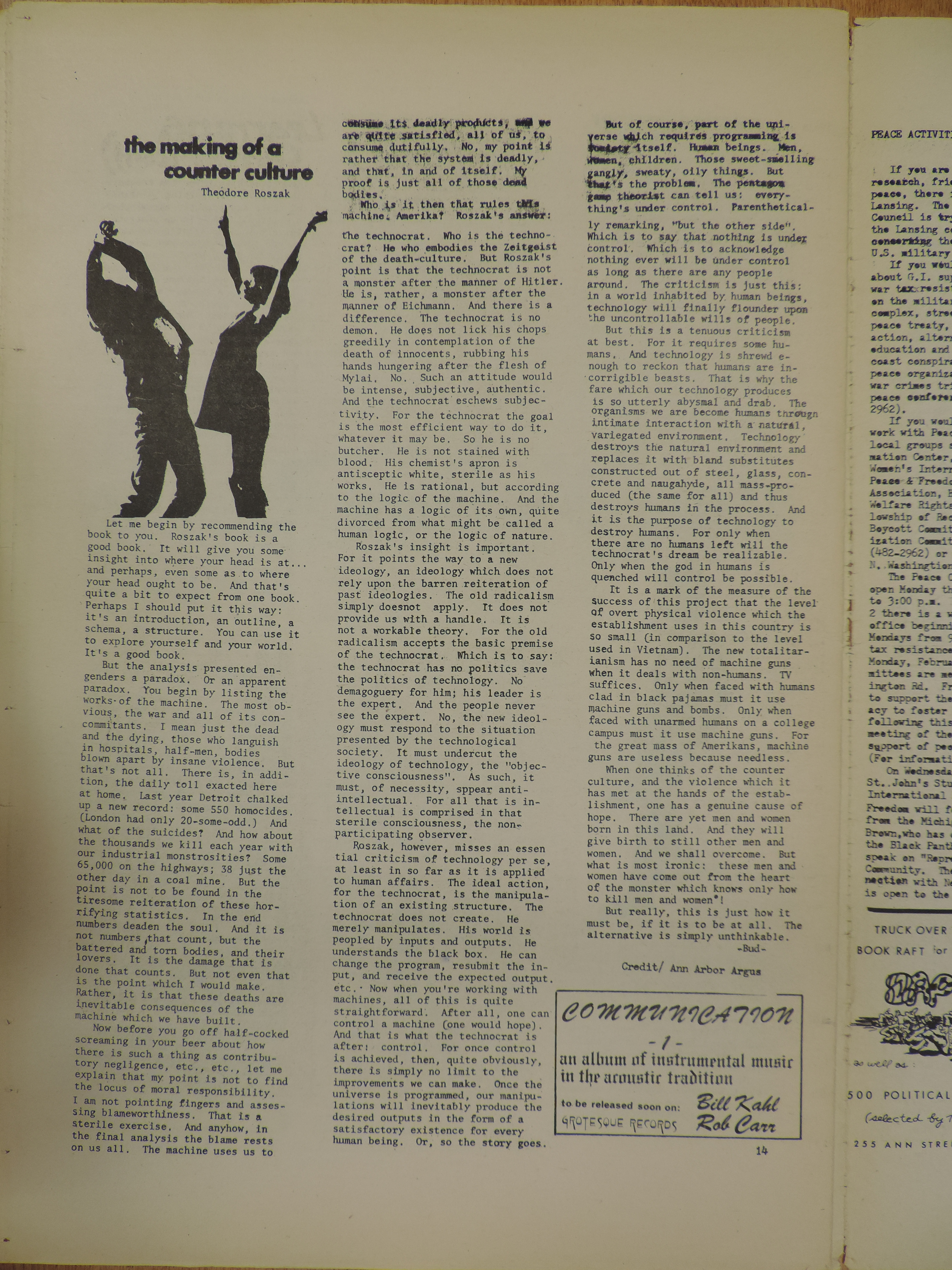
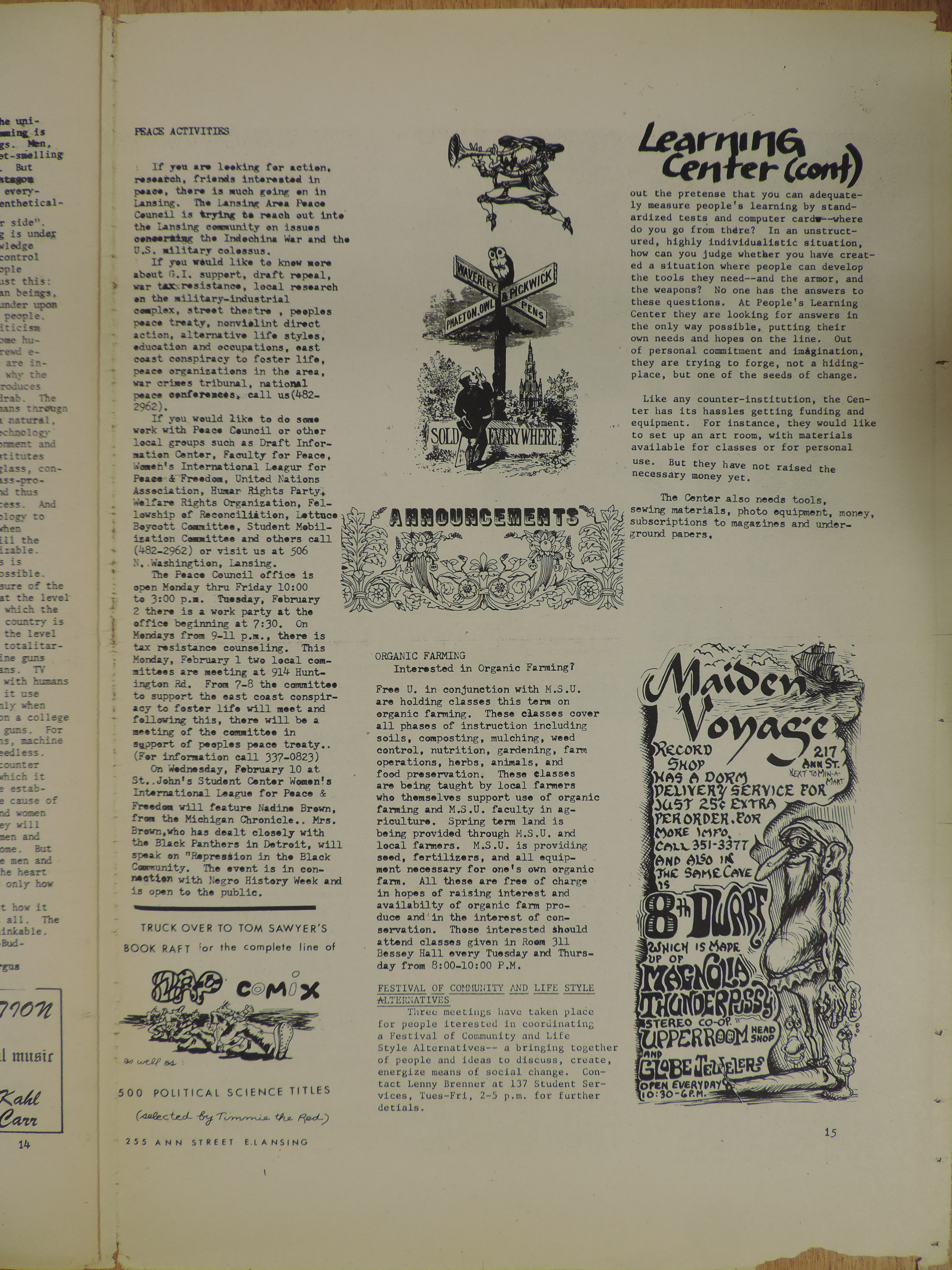
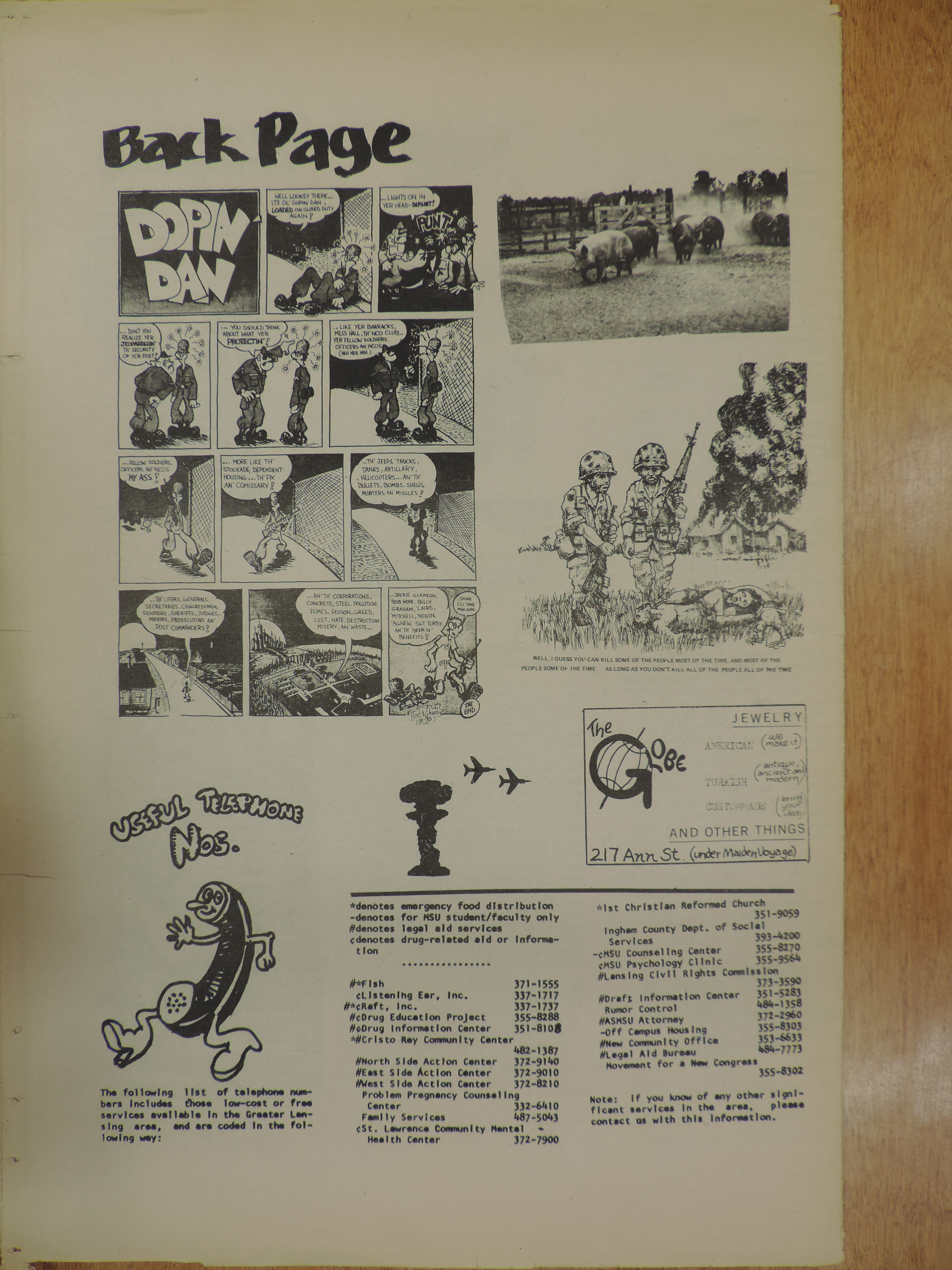
I included below a photo of each page of our first issue for folks to read. Some will be relieved to learn that many issues of the original Joint Issue are protected at libraries with a complete collection in very good condition in the archives of the MSU library.
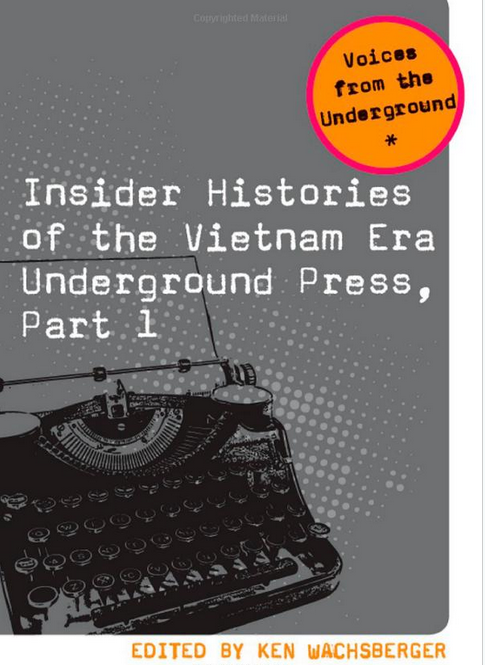
Historian Ken Wachsberger covers some of the history of Joint Issue in his book Insider Histories, available on Amazon.com
The history of the underground press in general and of Joint Issue in particular remains largely untold by mainstream media. It is good that Kenny Wachsberger stepped up to preserve much of this history in his important and thorough Insider Histories — available through Amazon.com. The section on Joint Issue begins on page 195. It is a must read for anyone who wants to know what was really going on during this transformational era in US history.
Other important books by Ken Wachsberger can be found at this link.
The photos below are of a newspaper that is showing its age after forty-three years sitting in a library’s cardboard collection box or on the back shelf of a closet.
Back in the day, we published Joint Issue on clean white Demy-sized sheets folded in half to make the individual pages. We often used colored sheets — pink, blue, orange, green and yellow were our favorites — to give the Joint Issue a fresher look. Sometimes we used colored ink to highlight important stories.
Impco Graphics of Mason was our printer. Denny Preston, the local artist and musician who created the LugNuts logo, designed ours.
Joint Issue began publishing during the year Hewlett-Packard marketed the first hand-held calculators to the public. Like the HP calculator — able only to multiply and divide — Joint Issue faced technical hurdles of its own. Personal computers hadn’t yet been invented, so each page had to be painstakingly laid out by hand.
We typed up the copy on paper sheets with an actual Smith-Corona typewriter (remember those?), cut the typewritten sheets into usable bite-size pieces with scissors or exacto-knives, slopped on the glue with brushes or fingers, and carefully tweezered the pieces into location onto white cardboard layout sheets hanging on clotheslines in our basement office.
We pasted cool graphics (pictures) we scissored (if we had to) from books and magazines (expensive!) or we got them from our volunteers and donors. Sometimes a picture or piece of text would fall off the copy-sheet before it made it to Impco Graphics in Mason to be published. Someone might shove a piece of text into an inappropriate location. Shit happened.
But that was its charm and our purpose. We weren’t supposed to be a polished publication put out by an aristocracy trying to sell poisons to the public. Joint Issue was a people’s paper published by common people without an internet, Facebook, or Instagram.
Our first issues, like the one featured below, were crude. But over time the sophistication of Joint Issue grew and its reputation as a reliable chronicler of what was happening in the street became established.
Billy Lee
Note: tomagnify photos for reading, click on individual photo. Some pages are out of sequence.
During a recent doctor visit I noticed that the Physician Assistant taking my blood pressure wore an Archie Watch, purple wristband, and Batman necklace. “You like cartoons?” I asked.
“I love comics,” he said, “don’t you?”
We bantered about comic book characters, then I asked about his wristband. Oh, it’s a ”pride” bracelet, he gushed.
He pulled the blood pressure cuff and stepped back. He twinkled like a playful puppy.
My mind glazed as I remembered the “controversy” at our church. The national denomination voted to allow women and gays to serve as ministers and marry same-sex couples.
Local leaders threw a fit. They said things like: The Bible says… We cannot in good conscience… God will judge… remember Sodom and Gomorrah… etc. etc.
They arranged meetings, made phone calls, fired-off texts & e-mails, and scrambled into Chevy Suburbans to meet like-minded others to plan and discuss strategies.
What were their options? What to try next? How would they shape the congregation to challenge heresy?
At a meeting I suggested that breaking with the denomination seemed like divorce, at least to me. I asked, “What about unity? Doesn’t commitment count for anything?”
It didn’t. Not when commitment countered God’s Word.
Every question, each objection, all challenges met articulate response. The Pastor and Elders were ready, prepared, determined. They would do God’s Will come Hell or high water.
The PA turned to go. I blinked my eyes. “Say”, I called after him. “…ask a question? No need to answer.”
He turned. “It’s ok.”
I cleared my throat. “Well… religions…all religions… are conservative about sex, right?” I stammered. “You know… it’s true… Christian churches especially. They don’t believe in sex until married.” I shrugged. “It won’t change anytime soon.”
“Look!” he interrupted. “I don’t care about religion. I have beliefs. What Christians think, I don’t give a shit.”
“Oh”, I said.
I gathered thoughts and pushed on. “Well, hear me out, OK? A second of your time, that’s all. I want to ask… what can Christians do to make it better for gay people?” I tried a sweet smile. “What can we do to show love?”
“Easy,” he said. “Stop judging.”
Eyes darkened.
“I don’t like it.It makes me feel bad.”
He took a quick breath.
“Marry us. In churches… really.” His eyes settled, then he paused. He raised his hands. “Don’t get me wrong. Right now, I don’t want marriage.” He blushed and looked away. A vein in his neck throbbed.
He showed his teeth. “I have issues with commitment, OK?”
I waited for more, but he stopped. He turned to leave, then clenched his fists and twirled. Eyes wet, he seemed to cry. Maybe… I wasn’t sure.
“Why can’t anyone marry the ones they love?”Rising on his toes, he glared, pirouetted, and walked away.