Aging is taking a toll on me. I had warning. Mom and Dad lost everything as they aged. It wasn’t what they expected.
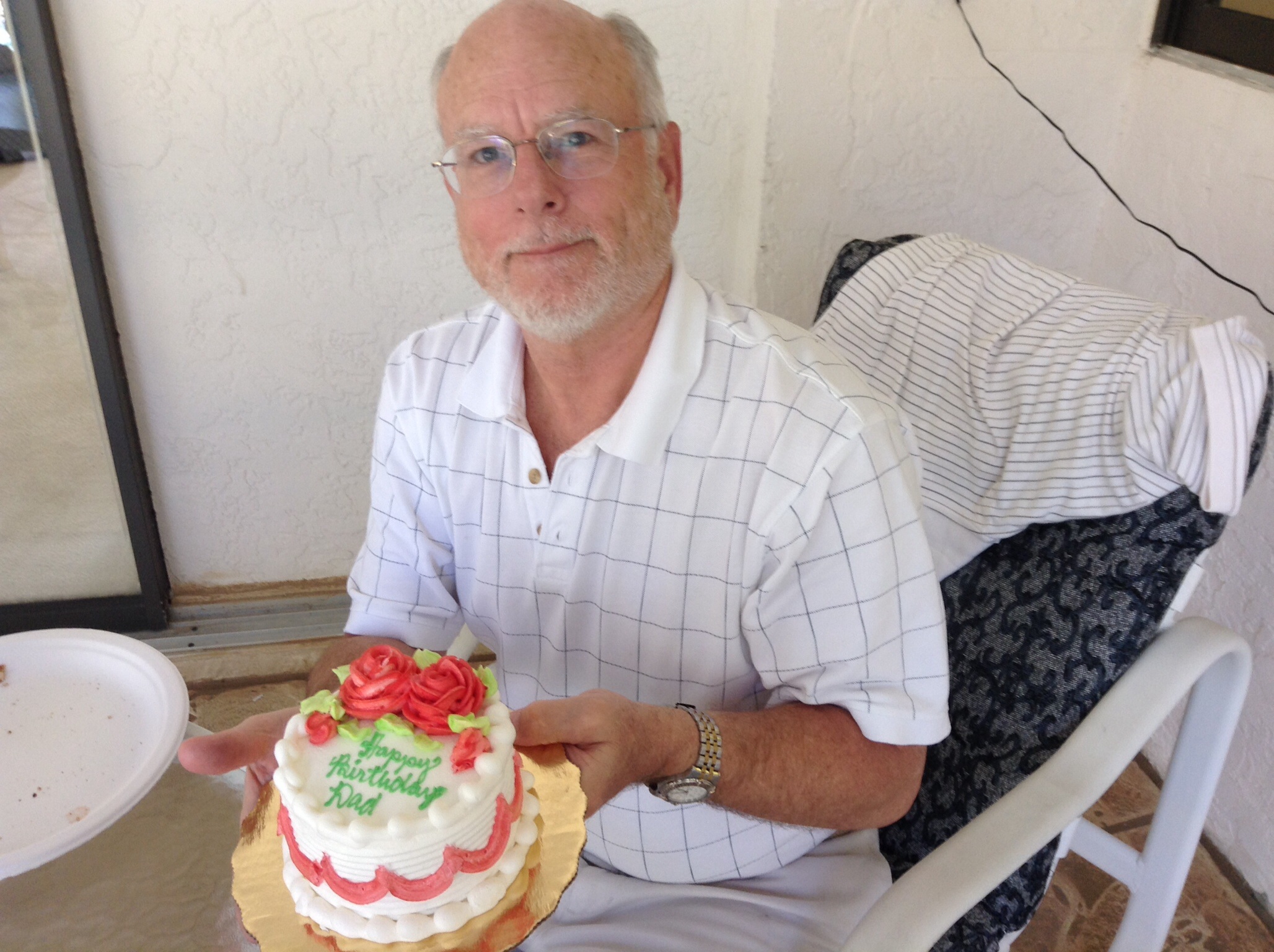
Billy Lee celebrates another year closer to death.
They imagined they’d lose some friends, have health issues, lose some mobility. They didn’t expect to lose their entire family, all their friends and all their power. They lost their beauty, their charisma, their common sense and, finally, their minds.
Dad’s 85th birthday. Within eight years both he and mom died.
One thing my dad tried was to keep his losses to himself. On some level he wanted to spare his children the fear of knowing; on another level he may have believed a positive attitude would lift up those people around him still left. But in the end futility seized him. He could no longer play golf or read or drive a car. He got depressed and took pills to keep going. Aphasia robbed his ability to speak.
My mom was devoted to my dad. Whatever he said or didn’t say was fine with her. She developed a brain disease that took her memories, short term and long, but she remembered Dad to the end. She never stopped asking where he went and when was he coming home.
Dad, 48 hours before he died.
My journey down this tunnel to hell is just beginning. My kids want me to go quietly without complaint — no whimpering, no crying, no embarrassing emotional displays or theatrical grand-standing, like I do in my blog — whatever.
I’m not built that way.
Billy Lee
Click here for Final Thoughts before life is gone for good…
The title of this post is CAPITALIZED SO YOU CAN HEAR IT!
As many approach their “Golden Years” (we never quite get there, if you know what I mean) some begin to experience the annoyances of aging.
One annoyance is the way folks mumble; who can understand them? To encourage folks to speak more clearly, I have included actual verbal exchanges — recorded over the past months — between Grandma Bevy and me.
I hope readers will take the hint and learn to enunciate!
Grandma Bevy: I think it’s bean soup.
Grandpa Billy: What’s been sued?
Grandma Bevy: Julian’s mom worked at Eyde.
Grandpa Billy: Julian’s mom worked and died?
Grandma Bevy: Oh look, my pill is scored.
Grandpa Billy: I got gored? I don’t think so.
Grandma Bevy: Put your hat in the closet, like a that.
Grandpa Billy: Like a bat?
Grandma Bevy: Like a that.
Grandpa Billy: Like a vat?
Grandma Bevy: Like that!
Grandpa Billy: What?
Grandma Bevy: Do you want one egg or two?
Grandpa Billy: I want new.
Grandma Bevy: I said, one or two. Turn up your hearing aid!
Grandpa Billy: OK. An old one, then.
Grandma Bevy: So, Chuck got the take out and…
Grandpa Billy: Chuck got the tank out?
Grandma Bevy: Take out… take out!
Grandma Bevy: I guess my group won’t be meeting for another two weeks.
Grandpa Billy: You aren’t eating for two weeks? Bev, you don’t have to do that for me.
Grandma Bevy: Now is a good time to take your blood pressure.
Grandpa Billy: Take my butt pressure?
Grandma Bevy: Yes, your blood pressure.
Grandpa Billy: Sounds good.
Grandma Bevy: You can have some turkey later.
Grandpa Billy: I have a turkey flavor?
Grandma Bevy: If you want to.
Grandma Bevy: Our kids are traveling in Europe this summer. We’ll probably be at home.
Grandpa Billy: We’ll be in a home?
Grandma Bevy: You might be.
Grandma Bevy: There are some real egos in that neighborhood.
Grandpa Billy: Eagles? No way.
Grandma Bevy: I said egos. There are some big egos in those big houses.
Grandpa Billy: Maybe some hawks. No eagles.
Grandma Bevy: Oh look! A new dishwasher.
Grandpa Billy: A nude dishwasher?
Grandma Bevy: I texted Doug for his birthday.
Grandpa Billy: You hexed Doug on his birthday? That’s not right.
Grandma Bevy: I have to call Perry’s office to get a refill on my prescription.
Grandpa Billy: Call your parent’s office?
Grandma Bevy: Perry’s office. Perry’s office! Clean your ears!
Grandma Bevy: Am I in your way?
Grandpa Billy: Am Miami way?
Grandma Bevy: No. Am I?
Grandma Bevy: Mary has been placed in hospice care.
Grandpa Billy: Mary hasn’t paid her hospice care? She was always so responsible.
Grandma Bevy: You put the shades down in the bedroom. Afraid someone’s going to see your body?
Grandpa Billy: Seize my coffee? I don’t drink coffee in the bedroom. Never have.
Grandma Bevy: We haven’t seen the neighbors in their hot tub lately.
Grandpa Billy: In their hot dog?
Grandma Bevy: You can put the plates and silverware on the table.
Grandpa Billy: I can put the plastic silverware on the table?
Grandma Bevy: Plates, PLATES!!! (Throws up hands)
Grandma Bevy: I’m going to physical therapy now.
Grandpa Billy: Hysterical therapy?
Grandma Bevy: Oh, for crying out loud.
Grandma Bevy: Guess what? I have a urinary tract infection.
Grandpa Billy: You have a yearning for a track infection? Why, Bev, why?
Grandma Bevy: My sciatic nerve is killing me.
Grandpa Billy: Your psychiatric nerve is bothering you?
Grandma Bevy: You certainly are. (Glares, rolls eyes)
Grandma Bevy: I thought you said you were going to e-mail her.
Grandpa Billy: Female her?
Grandma Bevy: Billll…Y.. !?!
Grandma Bevy: Did you know that tea, coffee, and cocoa contain different stimulants? I’m a nurse, right? I studied dietetics.
Grandpa Billy: Diuretics? Heh! I studied beer-drinking. ‘Course, that was a long time ago — before my prostrate swoll and nearly killed me.
Grandma Bevy: You don’t drink much now.
Grandpa Billy: I think plenty. I’m sharp as a tack.
Grandma Bevy: Don’t hear so good either.
Grandpa Billy: Donneer soggy ether?
Grandma Bevy: Here’s a straw. Finish your soup, dear.
Grandma Bevy: You dropped a glob of jelly on the table cloth.
Grandpa Billy: … on the tuna cloth?
Grandma Bevy: [starts singing to herself]
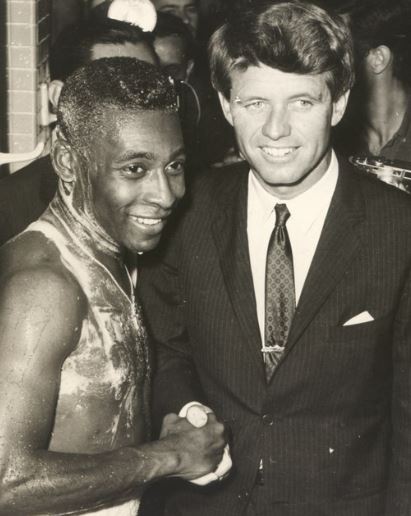
Pele’ with Bobby Kennedy in Rio, 1965. Pele’ died 29 Dec 2022 of complications from colon cancer. He was 82.
Our gross national product…counts air pollution and cigarette advertising, and ambulances to clear away…carnage. It counts…locks…and jails…. It counts napalm and the cost of a nuclear warhead, and armored cars for police who fight riots in our streets….
Yet the gross national product does not allow for the health of our children, the quality of their education or the joy of their play. It does not include the beauty of our poetry or the strength of our marriages, the intelligence of our public debate or the integrity of our public officials…. It measures everything in short, except that which makes life worthwhile.
Bobby Kennedy 1968
Capitalism is a system of wealth creation characterized by private ownership of the means of production (land, buildings, factories, labor, patents, intellectual property, etc.), where products are made and sold in unregulated markets to generate the revenues that sustain production and provide profits for the owners to use as they see fit.
Capitalism works best in a stable legal environment, where laws protect owners sufficiently that their ability to produce products is unimpeded.
Under this definition, Capitalism differs little from Slavery until the legal environment secures certain rights to labor.
In the USA, the legal environment takes the form of a constitutional republic undergirded by a bill of rights. The bill-of-rights secures certain safeguards to labor in the arenas of religion, speech, arms, assembly, petitions and so on. The constitutional republic secures representative government, which enables labor to choose its political leaders.
The owners of businesses make up a small percentage of the population and would be insignificant players in the parts of the legal environment where voting majorities determine the operation of government if they were not protected by privileges which, as a practical matter, are not enjoyed by labor.
In the United States the powers of government are divided into the three branches to provide checks on usurpation of powers. Further checks on government power are provided by business owners—specifically those individuals who own media and entertainment; individuals who direct cartels in certain industries like defense, medicine, agriculture, transportation, information technology, and pharmaceuticals; and those individuals who own and operate private militias.
It is understood and admitted by independent economists and historians (those who don’t work for the cartels) that without intervention by government, Capitalism tends to concentrate wealth in the hands of business owners—even in those rare circumstances when owners show little interest in manipulating the system to maximize their advantages.
The inability of Capitalism to generate a vigorous and sustainable middle class creates problems of poverty and is one reason why economists tend to advocate for government programs to redistribute wealth to the lower-earning labor sector.
An important historical example followed the aftermath of World War Two. Millions of GIs returned home to the United States after defeating Germany and Japan. Business owners tied to the war profited well and wanted to give something extra to the families of soldiers who fought to protect them.
Because the tax code at that time limited how much revenue owners could keep, they looked for ways to dump windfalls into worthy causes. They worked with government to fashion programs for low-cost education, home loans, and other perks for returning GIs. Windfalls permitted the USA to build highway systems and inexpensive cars for ordinary people to enjoy. Within a few years of the start of these initiatives America built a middle class.
So, what eventually happened?
In the years after 1980 a new generation of business-owners took power and convinced Congress and the president that taxes on large incomes should be reduced from 92% to 28%. These capitalists were sons and grandsons, for the most part, of the same men who helped build the middle class in the first place.
What is the effect of these tax rate changes? What do tax changes mean for society and labor, where most Americans live?
And let’s be clear. The 92% tax rate on earnings above $250,000 during the Roosevelt-Truman-Eisenhower-Kennedy-Nixon-Carter years was a de-facto cap on high-incomes. Workarounds did exist for those lucky few who had access to stockbrokers — men mostly who opened doors to low tax rates for privileged elites — but all non-stock market income was capped.
One good example is the medical profession. After 1980 the dramatic reduction of top tax-rates eliminated what had been a practical limit on incomes. Doctors — many operated as business owners — learned that income limits were gone; minus a small tax fee, they could keep as much money as they could collect.
What happened?
Doctors increased fees at a frenetic pace.
Medical care costs became prohibitive for the majority of workers. As a result, some migrated into programs like Medicaid and Medicare. Others found themselves locked into jobs they disliked because quitting meant losing insurance. Today medical care is so expensive that Congress felt compelled to pass the Affordable Care Act (Obamacare) to avert systemic collapse of public access to healthcare.
With limits on incomes now gone, doctors, some of them, seem to be overcharging government healthcare programs for services; a few have been arrested for committing crimes to maximize their incomes. The temptations of unlimited Benjamins have ignited a frenzy for dollars that shows no signs of abating.
In the USA, chasing after unlimited wealth seems to have overtaken every profession and institution. Businesses and public institutions are being looted by the professionals who run them.
Owners drive down wages because they can keep the difference for themselves. Operators drive businesses nearly into bankruptcy to skim as much money as they can in as short a time as possible—so they can retire to a private island, perhaps. Who knows?
Concentration of wealth can be a bad thing because it influences what society produces to the disadvantage of labor and the poor. Expensive luxury items (like $500M homes) are built to satisfy the appetites of the wealthy while products and services like schools, clean water, and nutritious food needed by labor are neglected.
These trends (and anyone could list dozens more) are not new. Every civilization that has allowed unreasonable concentrations of wealth has come to a bad end. Ordinary citizens are demoralized, excesses are committed, cynicism and cruelty increase.
An example is gated neighborhoods. It is humiliating to be ostracized by the privileged. Humiliation of citizens without redress breeds despair, which leads to pathologies destructive to society.
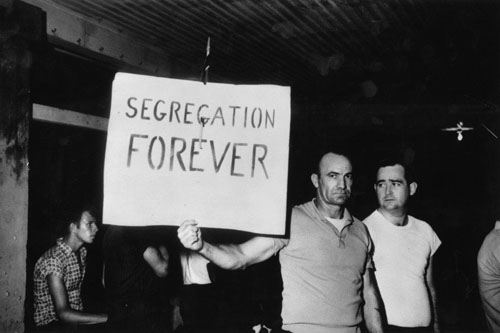
Segregation is an impulse strongly felt by a slave state with a long history of income inequality. It behooves those of us who live in the USA—a country with the reputation for promoting the cruelest form of slavery—to guard against trends (like gated-living) that reek of segregation and slavery.
Another problem with unlimited wealth is that it tempts those who have it to buy hi-tech weapons. Many wealthy individuals have created militias to enhance their power.
Everyone knows about the Mafia but respected individuals with good public relations have established private militias as well. A family in Michigan owns an air force and drones plus soldiers who work under contract with the US military to fill in gaps overseas.
A concentration of wealth combined with military power in the hands of an entitled few can become a clear and present danger to the liberty and way of life of ordinary citizens.
Now… a few sentences about Ayn Rand who, more than any other public figure I know, provided the moral justification for the rapid sequestration of wealth by our elites.
I met this squat, chain-smoking, thick-accented Russian woman 50 years ago after having read every book and newsletter she had published at the time. She wrote with seductive logic that appealed to me and I suppose other average people and probably a lot of billionaires as well. The utopian vision described in her book The Virtue of Selfishness undergirds extremist groups like the Tea Party and their spin-offs.
Like most utopian thinkers, her logic was flawless yet led to ridiculous conclusions false on their face. As fantasy her fiction has a certain appeal but to advocate for turning a country over to its richest citizens to do as they please is folly and counter to every form of democracy and free society.
Consider these questions. Who spies more—government or the companies we work for? Who looks at social media sites, credit ratings, where we live, or what our hobbies are—government or the companies we work for?
Who discourages us from speaking our minds? Who stops ordinary people from discussing religion and politics? Who intimidates folks from protesting social injustice? Who blacklists professionals when they “go-rogue” ? Who controls how much money anyone makes?
Clearly, private companies exercise these powers.
What about government?
It collects taxes and arrests bad people who commit crimes.
Companies? They control our lives.
Think about it.
What are we? Slaves?
The answer is, yes, kind-a.
Under Capitalism business owners are an existential threat to people’s freedom. But we have a representative government, don’t we?
In theory at least, folks can use the government to their advantage—not only to limit the powers of business owners over their personal lives but to limit the incomes and estate sizes of private individuals through appropriate tax policies.
And they can forbid the acquisition of military-style powers by civilian elites. It’s important. Read the Second Amendment to convince yourself that it’s true. Outside of the limits of a well-regulated militia, gun-runners are anathema to freedom. Limiting military powers to well regulated militias is the reasonable prerogative of free people in democratic republics like the United States.
How do we preserve the best elements of Capitalism—a proven wealth generator—while eliminating threats it can impose on our liberties and, for most people, their standard of living?
Video added 27 October 2025. Explains how USA tax law drives gross inequality.Billy Lee’s proposal (below) caps inequality & is easier to enforce fairly. The Editors
My proposal is this: pass a maximum-income law. This law would set the maximum income from all sources as a multiple of the minimum wage.
Let’s say the multiple is set to 1,000. When the minimum wage is set to $20,000 per year, the maximum income from all sources would be pegged at 1,000 times that—$20 million.
In the same way, the maximum size of estates could be set at some multiple of the maximum income. The multiple might be set by Congress at 20, for example. Then the maximum size of an estate would be 20 times $20M—a $400M maximum.
Now these multiples are simply one example. It might be that folks decide a multiple of 1,000 is too high or too low; they might decide to set the multiple at something lower—say 100 or 50—like it was during the 1950s and 60s. Then again, folks might agree that a figure of $400M isn’t enough for high achievers in the modern age and set maximums higher.
What’s important is to set maximum incomes high enough to preserve incentives to create wealth while at the same time reducing the incentive to loot that unlimited incomes encourage. Unreasonable profits which might end up in owners’ pockets would then more likely be distributed inside companies to workers or to the existential needs of the companies themselves.
Wealth not distributed inside companies could be given to charity or society (e.g. through the mechanism of taxes) to be spent on programs beneficial to labor.
Of course, concentrations of wealth are necessary for economic development. This need for capital is where well-regulated public corporations and public banks come into play.
I hope to write an essay about the role of corporations in society sometime in the future. Hopefully, someone else will write the essay before I get around to it. For now let me suggest that the United States might be better off if corporations and financial institutions were made truly public and regulated like public utilities.
A challenge presented by this proposal is to apply these income and estate-size limits internationally to prevent individuals and cartels overseas from gaining advantages that would threaten our country and its citizens.
Another challenge worth mentioning is that although this proposal puts limits on only a few thousand, or perhaps a few tens-of-thousands of individuals and their families, these are the folks who actually control governments by the power of their concentrations of wealth. It might be problematic, at least at first, to convince the truly wealthy to go along.
But we should try. They are tens-of-thousands. We are billions. Think about it. The grandfathers of the current generation of the wealthy shared their wealth to benefit ordinary people. I don’t believe that any billionaire thinks that their sharing after World War II hurt any of them in any way that counts for anything.
Billy Lee
Click Watch on YouTube link below to view Michael Moore’s award winning movie,Capitalism: A Love Story.
Postscript added 3 December 2022: During the past two years of pandemic, oligarchs increased their wealth by five trillion dollars. The gap between wealthy and poor, in both resources and power, increased dramatically worldwide. The predicament of ordinary people changed. To help readers understand, the Editors agreed to include the following video.
During a recent doctor visit I noticed that the Physician Assistant taking my blood pressure wore an Archie Watch, purple wristband, and Batman necklace. “You like cartoons?” I asked.
“I love comics,” he said, “don’t you?”
We bantered about comic book characters, then I asked about his wristband. Oh, it’s a ”pride” bracelet, he gushed.
He pulled the blood pressure cuff and stepped back. He twinkled like a playful puppy.
My mind glazed as I remembered the “controversy” at our church. The national denomination voted to allow women and gays to serve as ministers and marry same-sex couples.
Local leaders threw a fit. They said things like: The Bible says… We cannot in good conscience… God will judge… remember Sodom and Gomorrah… etc. etc.
They arranged meetings, made phone calls, fired-off texts & e-mails, and scrambled into Chevy Suburbans to meet like-minded others to plan and discuss strategies.
What were their options? What to try next? How would they shape the congregation to challenge heresy?
At a meeting I suggested that breaking with the denomination seemed like divorce, at least to me. I asked, “What about unity? Doesn’t commitment count for anything?”
It didn’t. Not when commitment countered God’s Word.
Every question, each objection, all challenges met articulate response. The Pastor and Elders were ready, prepared, determined. They would do God’s Will come Hell or high water.
The PA turned to go. I blinked my eyes. “Say”, I called after him. “…ask a question? No need to answer.”
He turned. “It’s ok.”
I cleared my throat. “Well… religions…all religions… are conservative about sex, right?” I stammered. “You know… it’s true… Christian churches especially. They don’t believe in sex until married.” I shrugged. “It won’t change anytime soon.”
“Look!” he interrupted. “I don’t care about religion. I have beliefs. What Christians think, I don’t give a shit.”
“Oh”, I said.
I gathered thoughts and pushed on. “Well, hear me out, OK? A second of your time, that’s all. I want to ask… what can Christians do to make it better for gay people?” I tried a sweet smile. “What can we do to show love?”
“Easy,” he said. “Stop judging.”
Eyes darkened.
“I don’t like it.It makes me feel bad.”
He took a quick breath.
“Marry us. In churches… really.” His eyes settled, then he paused. He raised his hands. “Don’t get me wrong. Right now, I don’t want marriage.” He blushed and looked away. A vein in his neck throbbed.
He showed his teeth. “I have issues with commitment, OK?”
I waited for more, but he stopped. He turned to leave, then clenched his fists and twirled. Eyes wet, he seemed to cry. Maybe… I wasn’t sure.
“Why can’t anyone marry the ones they love?”Rising on his toes, he glared, pirouetted, and walked away.