PLANES, TRAINS, & AUTOMOBILES; AND OUR FREEDOM

The question is simple: If circumstances conspired to take away cars and licenses so no one could drive again, would anyone feel free?


no cars img_3425
Can folks feel free, or happy, in a land without cars?

Maybe I would. I couldn’t bum rides or hitchhike, true. But if no one could drive; if everyone’s cars were taken, public transportation might improve, right?  You  know — planes, trains, and buses — how would anyone feel?

Speaking for myself, I think I might get sad and depressed. Thinking about not being able to come and go when I want, of having to depend on public transportation to venture anywhere more than a few miles from home makes me sick to my stomach. Freedom to travel on my own terms is a big part of what it takes for me to feel free and, yes, happy.

public transportation metrorail012109.21382537_std
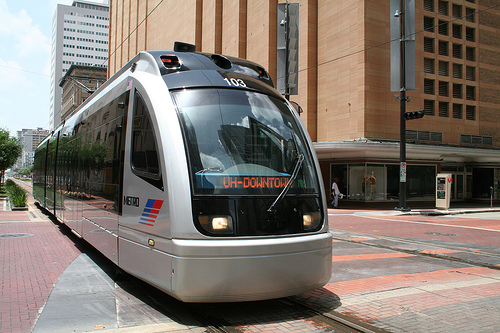
If the only way to travel to another town was by train, how would people feel?

So why torment myself with thoughts about something that’s never going to happen? What’s the point?

In truth, many people don’t drive, especially in large metro areas like New York City, for example. Not driving is a choice. In theory at least, New Yorkers can buy cars and move to the suburbs. Knowing they can drive if they choose makes not driving not so bad, at least for most.
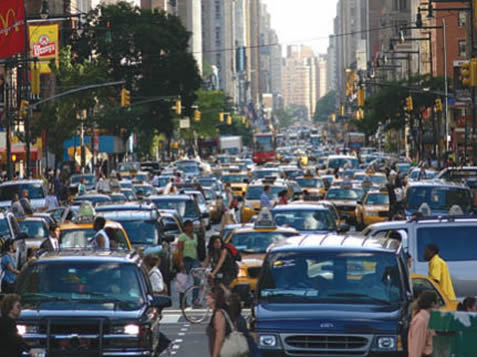

In New York City, most people don't drive.
In New York City, most people don’t drive.

Here’s my point. Someone is always telling us we are free, because we can vote for our leaders and start businesses; even keep the profits. No one can be arrested without cause. If arrested, all have the guarantee of due process and the presumption of innocence under the Constitution. Everyone can own guns and fire them in their backyards.

Is it possible that whoever they are might be right?


constitution 1
What good is declaring independence, if no one can drive?

Think about it. 

80% of citizens don’t vote regularly. 98% don’t own businesses unless franchises and pyramid-schemes like Amway count; then it’s 10%.

Few citizens are ever arrested, much less charged with a crime. And most folks — those who aren’t psychopaths — take no pleasure disturbing neighbors by firing rifle rounds in their backyards. In general most don’t participate in the privileges that define freedom.  People don’t feel their freedoms most of the time.

But here’s something else to think about: 95% drive cars.

Isn’t it cars that give the feeling of being free? Take away cars and no one has the same carefree feeling– no matter what the Constitution guarantees or profs teach in school or university.

People can go into the back yard and fire a hundred rounds from an assault rifle. All that will happen is their ears start to ring and their neighbors hate them. 
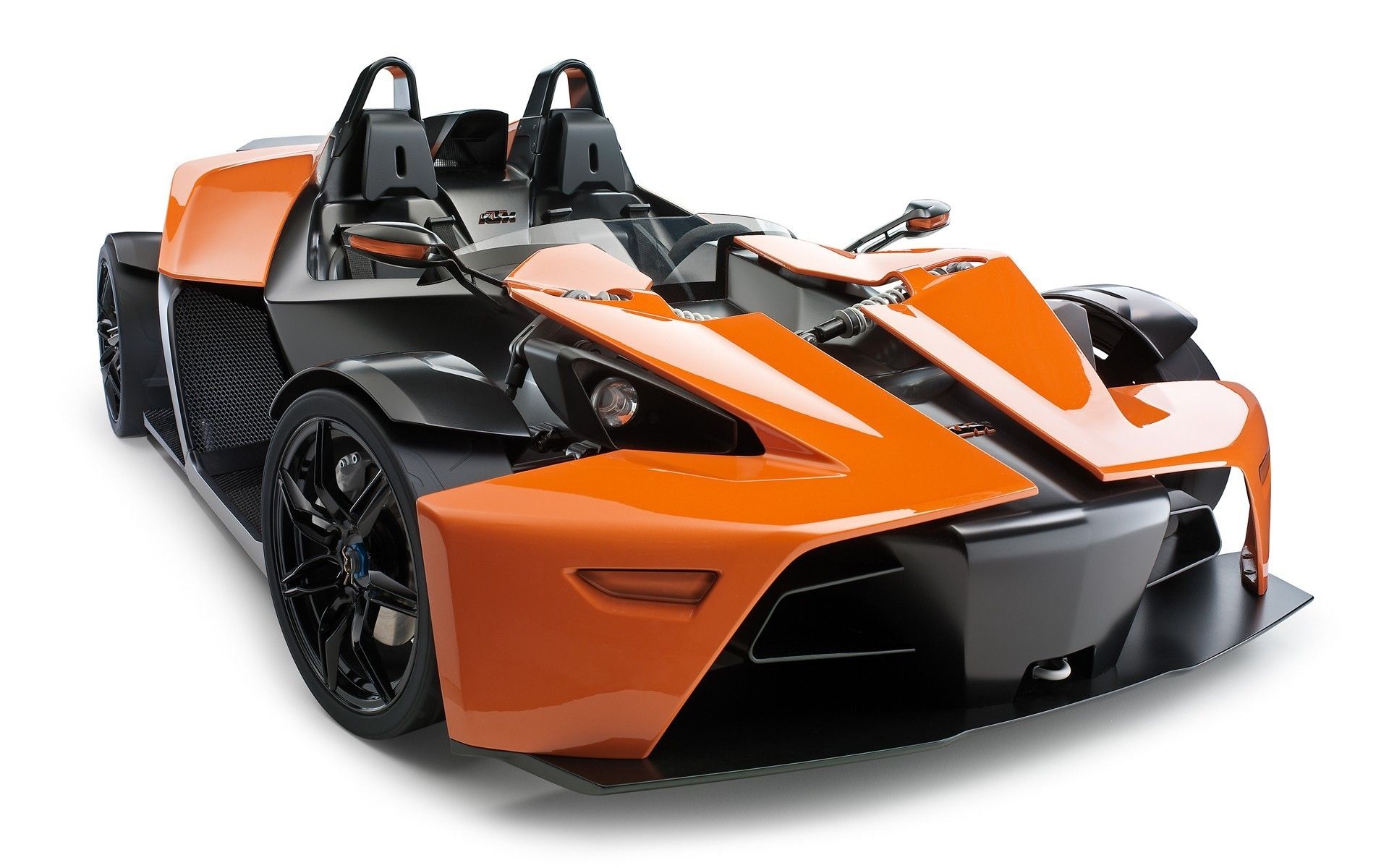

automobiles Latest-Fast-Cars
It’s cars that give us the feeling we’re free.

The thrill of freedom comes from stepping on the accelerator of a favorite car and feeling Earth slide away below us. Freedom is the feeling that anyone can come-and-go on their own terms whenever they want.
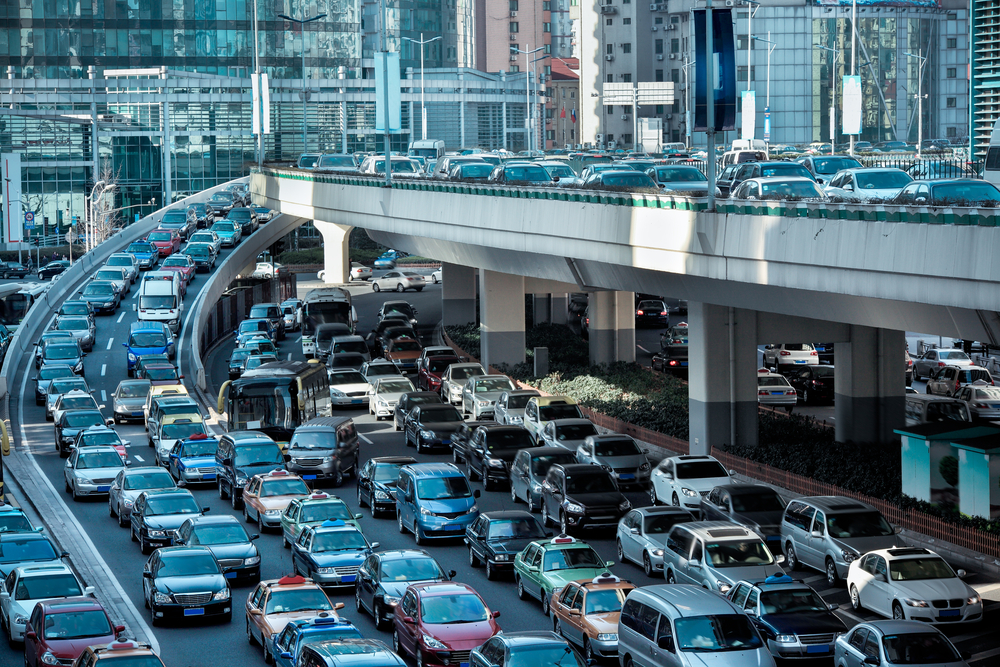

Traffic slowdowns and standstills are an assault on our freedom.
Traffic slowdowns and stand-stills are an assault on freedom.

Many Americans seem not to grasp that the right to drive is being methodically and relentlessly stripped away. In cities and towns across America, congestion on streets is presenting a clear and present danger to our way of life; it’s diminishing the freedom to travel under our own power; under our own direction, which is what everyone wants to enjoy.

Lousy roads, poorly planned road construction, neglected road repair, deteriorated bridges and tunnels — all assault freedom and degrade our quality of life. 
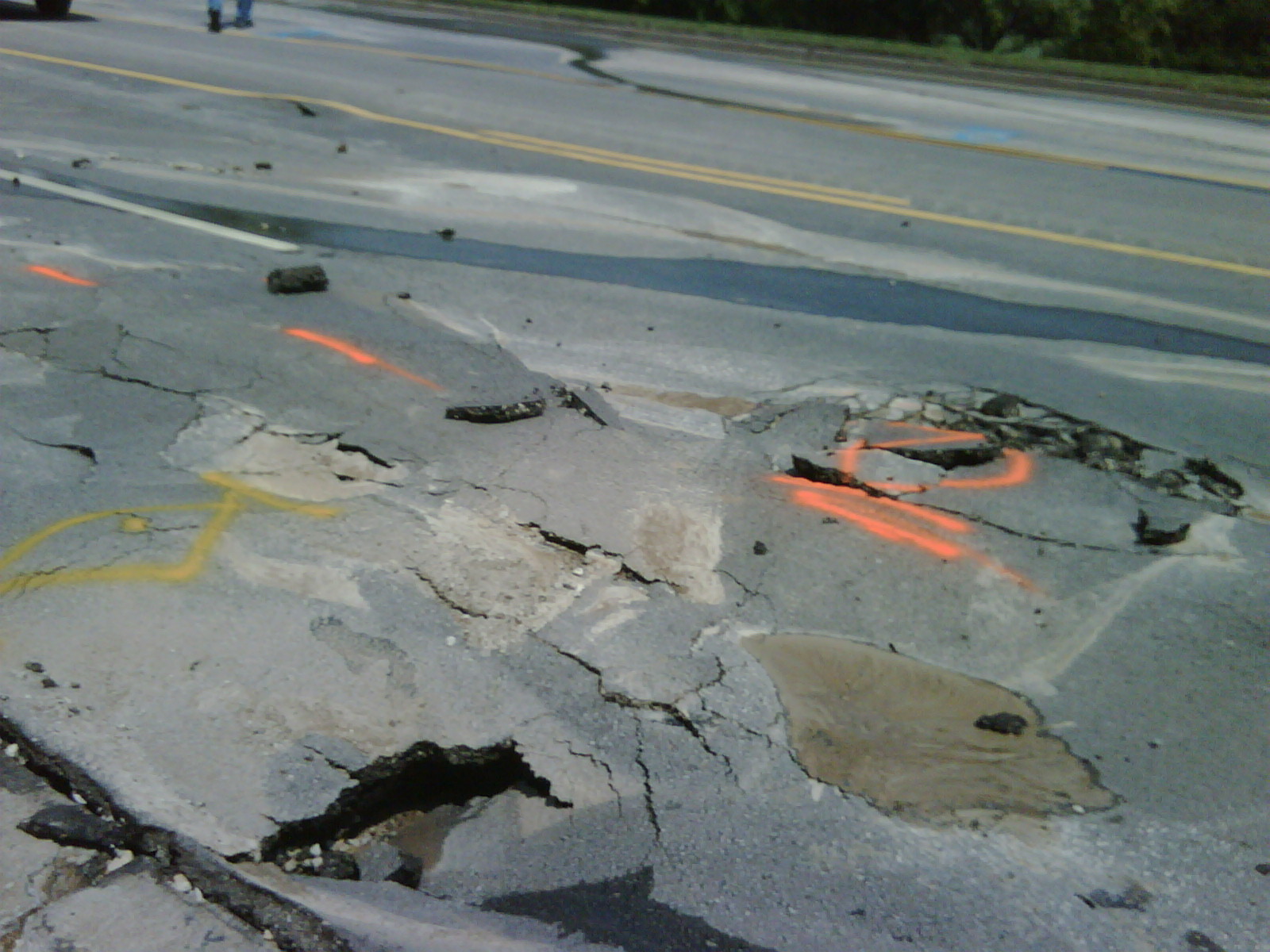

Bad streets are an affront to our freedom and should be thought of as such.
Bad streets are an affront to freedom. Right?

It seems obvious that four-hour waits in line to vote wrecks freedom, because waits discourage voting, the foundational process of any democracy.  But four-hour commutes, traffic slowdowns and standstills are just as disruptive. They break the efficiency of our lives and muffle the nation’s economy.

The folks who run America seem to care little about voting or roads. Americans might want to step up to put pressure on politicians to make driving free and unencumbered — make freedom on the road the number-one national priority.

Driving free must be first-in-line; it is our most heartfelt and defining freedom.
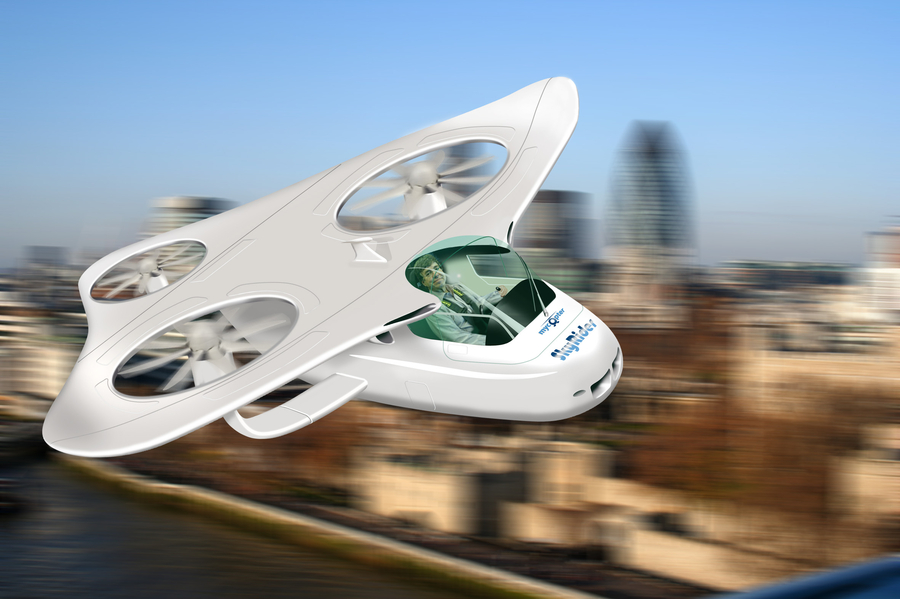

In a computer-controlled aircraft, passengers are only along for the ride.
In computer-controlled aircraft, passengers are only along for the ride.

I learned that a few companies have already designed aircraft to take the place of cars. In the years prior to 911, I toured a number of these firms to learn firsthand how they implemented computer software to organize their engineering drawings, bills-of-materials, and tech-specs for vendors.

The plan, then, was to unleash at the right time a new era of transportation options for the general public that included light aircraft.

These companies were designing planes to fly on autopilot along pre-established routes in the sky. They took advantage of the three dimensions of space the same way city planners use tall buildings to create more working space.

The idea was to eliminate congestion and speed traffic by stacking routes and putting computers in charge of flying instead of pilots.
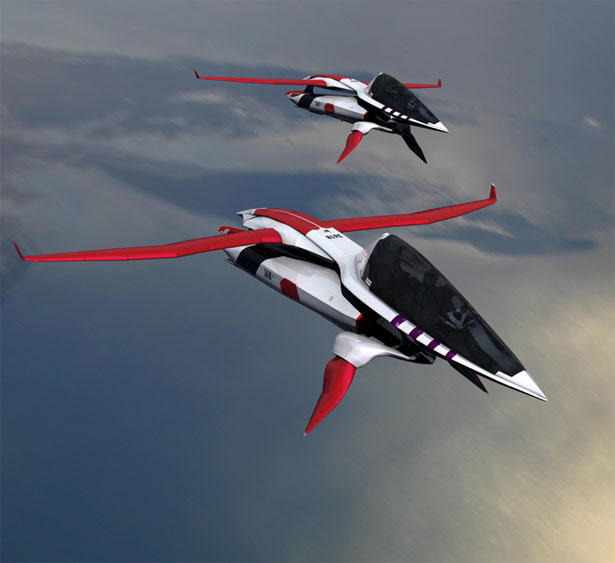

Sure the view is nice--when there's no clouds and you don't have to stop to stretch your legs.
The view is great — when the sky is clear, and no one has to get out to stretch their legs.

It all seemed like a good idea at the time. But the events of 911 changed planners’ views of what it might mean to put hundreds-of-thousands — maybe millions — of flying vehicles in the airspace above America — even if the craft were flying on autopilot under the guidance of computers.

Had 911 not happened, the plans were that by now on any given day at any given time people who looked up to the sky would see and hear hundreds, maybe thousands, of high-flying aircraft buzzing to and fro 24/7.
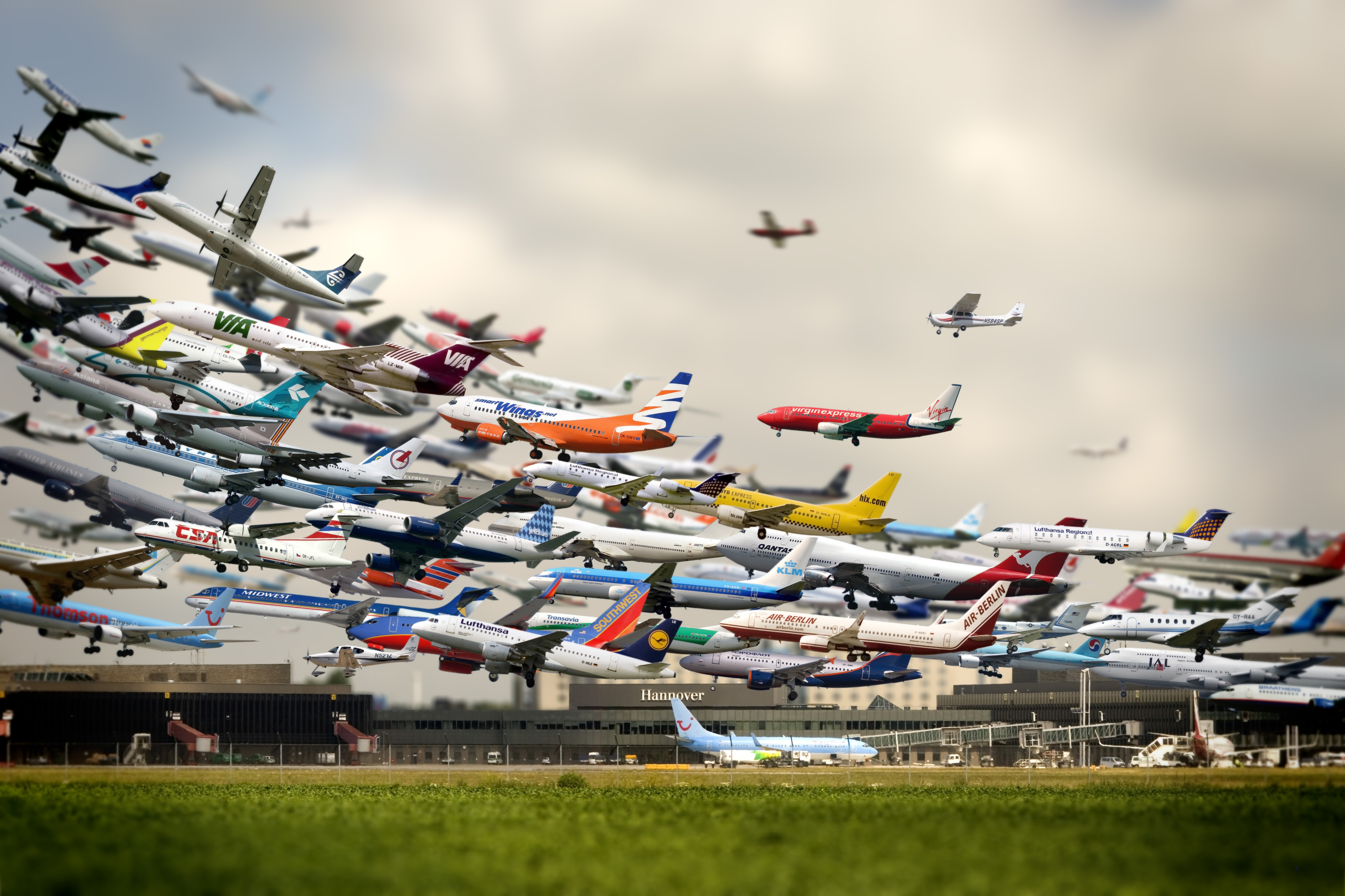

Computer-controlled aircraft flying on 3D highways are a transportation option available for implementation when the time is right.
Computer-controlled aircraft flying on 3D highways are a transportation-option, which is available for implementation when the time is right.

This high-flying, high-tech solution to highway congestion though shelved for now sits yellowing in the dark closet of national transportation options. It can be implemented when the time is right in the same way as the internet and personal-computer. But when it’s implemented, it will pose big problems.

3D highways in the sky populated by hundreds-of-thousands of computer-guided light-aircraft will have the same effect on travelers as if they were set on automated conveyor belts and whisked hither and yon.

The thrill that comes from commanding a piece of machinery and directing it to go where we decide will be gone. The feeling of empowerment and freedom experienced in cars will evaporate. 

Because — you know what’s coming, right?  If computers can direct the flights of millions of aircraft in three-dimensional space, they can do the same to cars on two-dimensional roads. And soon, very soon, they will.
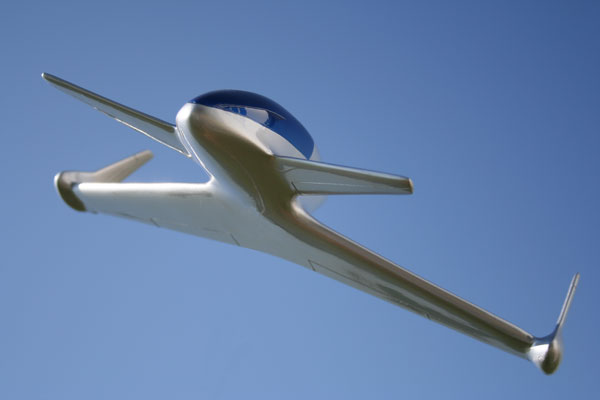

Yeah it's pretty. But if we're not flying it, do we really care?
Yes, it’s pretty. But if no one is flying it, does anyone care?

Because of over-population and the inevitable congestion it brings, the time may come when people will no longer be permitted to experience the freedom of a fast car on an empty road.

Our ancestors rode horses, after all. Most people have long-since adapted to the disappearance of the horse. Perhaps people will adapt. Circumstances will force grandchildren of today’s parents to go to private tracks to experience the lost joy of driving a car.

Riding in a computer-controlled helicopter, airplane, or other flying craft might become the norm for future travelers. People will be passengers — not drivers or pilots or navigators — for the duration of their trips. People will become dependent on another technology they don’t understand and can’t control.

We are likely to become a nation of flying and driving sheep who graze in a huge three-dimensional sheep-pen.

Will freedom ring?  Will people feel the thrill that comes from directing the path of complex machines that run like wild horses?  Will they feel the power that comes from being free?

Will children of the future experience the exhilarating freedom enjoyed by their parents during their season of control when no one felt threatened by a vice-grip embrace of an artificial-intelligence that is hovering ominously on the horizon? 

I don’t know.

Billy Lee
NUCLEAR POWER AND ME

CBS 60 Minutes drone-video of the Chernobyl Zone of Alienation, a safe area. 


Here is an excerpt from a 1975 resume about my experience in the nuclear power industry:

Engineering Technician at Ingersoll-Rand Company. Designed and serviced pumps and condensers for nuclear power plants; assisted engineers on service calls; toured and worked inside nuclear power plants; trained in construction and operation of nuclear power plants.

I didn’t last long at Ingersoll-Rand before they fired me for incompetence. But during the six months before my meltdown they sent me inside nuclear power plants to learn how to operate and maintain the pumps and condensers used to move and cool liquids inside the plants. Under the supervision of licensed nuclear engineers I learned how to inspect and fix pumps — some of them the size of little houses.

The plant executives had the habit of inviting visiting engineers and technicians to lunch, where their supervisors would present short overviews of plant operation, describe safety features, and speculate about the future of nuclear energy in the United States.

They promised that the government planned to approve the construction of a thousand nuclear power plants by the year 2000. The facilities would be “fail-safe” due to their many redundant safety features. As it turned out, their enthusiasm was misguided.

As of today, 438 nuclear power plants have been built in the entire world. The United States operates 61. The safety record is abysmal.


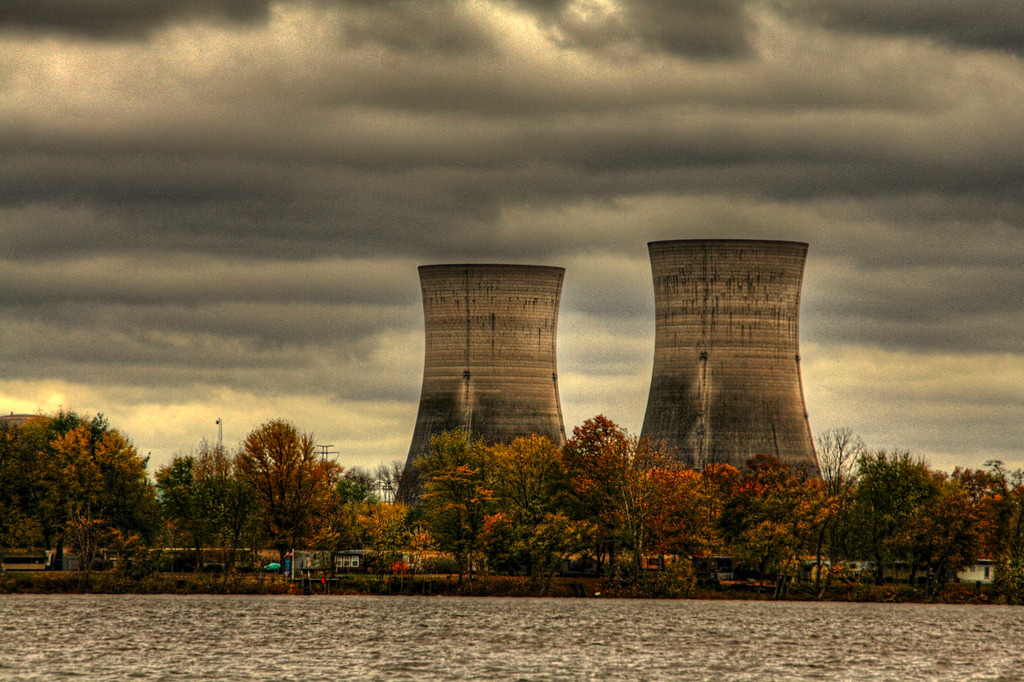
The Three Mile Island Nuclear Power Plant in Pennsylvania suffered a partial meltdown in March 1979 —  twelve days after Michael Douglas released the movie China Syndrome. The meltdown catapulted the movie to international success as people struggled to understand what happened. After the accident, cancer rates within ten miles of the plant increased 64% according to a  team of Columbia University researchers.

Currently, there are 30 operating nuclear reactors at 12 generating stations on 11 sites in the Great Lakes basin. Almost all are located on the banks of our great fresh-water lakes. Radioactive waste-products are stored in cooling-ponds at each of these sites yards away from the purest fresh-water on planet Earth.

Highly radioactive, spent-fuel rods are collected and dry-stored at Chicago’s Lake Michigan Zion facility, which experts warned in 2015 pose risks not only to the Great Lakes but to the entire region. The lethal dry-storage facility and the contaminated ponds at power-plants located on the shores of the Great Lakes grow in size and radioactivity year after year after year.


Editors note: On 25 October 2016, Energy Solutions announced that the Zion plant is 88% shut down and that all of its high radiation fuel rods are now contained inside an on-site ISFSI (Independent Spent Fuel Storage Installation) where they will remain until someone figures out what to do with them. The entire facility is scheduled for closure by January 1, 2027 at a cost of 1 billion dollars.  


We are one earthquake away from catastrophic contamination of up to ten percent of the world’s freshwater supply.


Inside Chernobyl Nuclear Power Plant
31 people died at the Russian Chernobyl Nuclear Power Plant in April 1986. Today the number of deaths stands at nearly 100,000. The plant released 400 times the radioactive material of the bomb dropped by the USA on the Japanese city of Hiroshima. Authorities evacuated the city; it remains uninhabited. Click this link for a drone-video of the site.

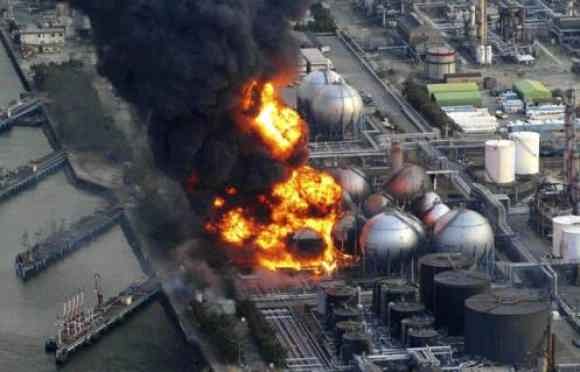
Fukushima Nuclear Plant
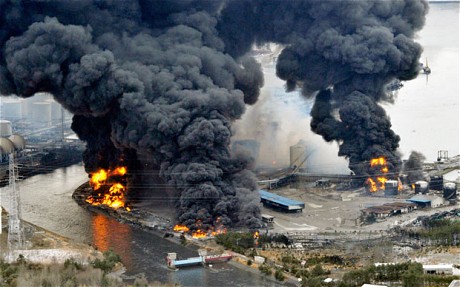
Fukushima Nuclear Power Plant in Japan experienced catastrophic failure during the March 3, 2011 tsunami, which swept away nearly 20,000 people.  The accident irradiated over 300 workers and killed six. The site will never recover.  

Editor’s Note added 3-11-2021: 
The Japanese government announced this week that 3,775 people died during the past decade from health problems caused by what officials now admit was a “triple meltdown” at Fukushima. 41,000 remain forced to live outside their hometowns.

Several districts near the plant continue to be off-limits to everyone. The government hopes to decommission the power plant by 2051.

The ruined facility houses 900 tons of highly radioactive debris and 1.2 million tons of radioactive water that must be removed and isolated before the plant can be safely closed. The coronavirus pandemic slowed progress at the site, according to NHK News. 


Anyway, after the lectures — which were accompanied by short films and slide presentations — executives opened the sessions for questions from the audience. I was one of those nerds who believed they were serious so I did ask a lot of questions. (I was a pontificator even then).

I asked: What is the half-life of the radioactive waste produced in this plant?  Where is waste stored? How much of it will this plant produce over the next 30 years? What happens during an earthquake?  How are meltdowns prevented? What are the consequences of operator errors?  What happens when the plant gets old and comes to the end of its useful life?

It wasn’t long before my supervisor called me into his office and advised me to keep my questions to myself and do my job better. But it was not to be. I learned a life lesson: when the boss tells you to be quiet and just do your job — hold on to your hat. It’s too late. You will be fired as soon as the permissions and the paperwork are done.

Maybe I was incompetent. I don’t know. After being fired I went into counseling for depression. I re-entered MSU and studied mathematics and electrical engineering. I ended up designing machinery — mostly in the food and beverage industry — until I retired six years ago in 2008.

Everyone uses tear-spout coffee lids on foam coffee cups. Folks drink their coffee without removing the lid.  Yeah, I designed the first one and the tooling  to produce it; it was a team effort, of course. Everyone buys orange juice and milk cartons with tamper-proof safety caps. Yeah. I did those too. I share a patent, which proves it.  

What am I most proud of?  I didn’t design a damn thing on that Fukushima disaster, which is contaminating the Pacific Ocean and its fish stocks, perhaps to the end of time. 

Billy Lee


NOTE from the EDITORIAL BOARD:  In May 2019, HBO released its award nominated series on the Chernobyl disaster of April 25, 1986. The producers speculate that up to 93,000 Russian citizens died in the aftermath from radiation poisoning. The video below is a promo of the series.