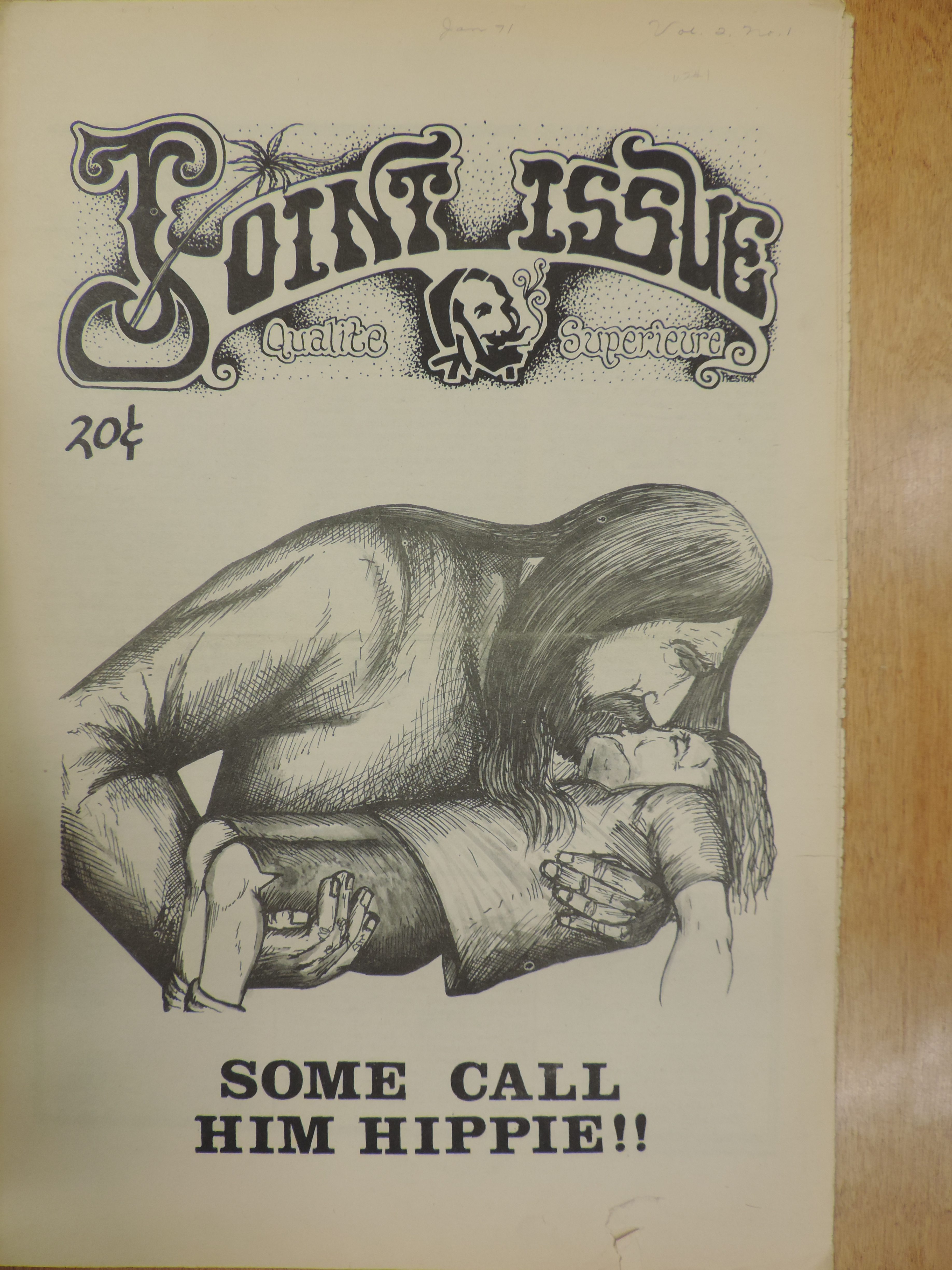
From 1950 to 1980, before the personal computer revolution and the birth of the Internet, a vigorous and pervasive paper media flourished in America. The underground press — as it was called then — included not only thousands of newspapers, but literary gazettes and alternative periodicals.
Hippie Rescues Drowning Child. Michigan legend, Denny Preston, illustrated this famous cover from the Underground Press.
Historian Ken Wachsberger is now working with libraries and publishers to find, rehabilitate, and digitize hundreds of underground publications that otherwise will be lost to history as they decay to dust in closets and basements across America.
Not on my watch, Kenny has pledged.
Historian Ken Wachsberger is the Director of the Digitizing our History Project
The task is enormous. [ click on link above to see how big ] The number of publications is in the thousands.
The underground press got its energy from millions of people who opposed war during a period when the United States raged racist wars in countries like Korea, Vietnam, and Cambodia. Countless men and women of conscience opposed segregation in America; they dedicated big chunks of their lives to helping our country come to grips with its sordid racial past.
The underground press injected energy into a cultural revolution that brought hope to women, gays, racial minorities, the poor, the disadvantaged, and the physically and mentally challenged.
During the thirty years between 1950 and 1980 the underground press brought a fresh point of view, which changed not only America but the world. The earth became a better place to live for hundreds of millions of people who had been burdened and locked-out by discrimination and prejudice — the ravages of war and scarcity — brought by the greed and power of men, mostly, who didn’t give a care about who they hurt.
Today it seems like if it’s not on the internet, people think it never happened. If a PDF, Word file, blog, or web-site doesn’t write about it — or a YouTube video doesn’t feature it, people give up looking for records from past that exist only in the memories of folks too old to understand the internet enough to preserve their experience for the folks who will come after.
The risk to everyone — to the people who lived and suffered these changes — is that everything the smartest generation learned and accomplished will be forgotten.
Civilization will slide back into old the habits and ways that have wrecked society after society over the entire history of humankind. The politics of exclusion will push back the politics of inclusion. Peace will give way to war. Open and free-living will give way to gated communities and a fortress mentality.
The lessons learned from the struggle to save America will be lost, and our country will have to relearn them, at great loss to our national momentum toward a better life for all. Should totalitarianism take root, freedom will disappear, forever.
It’s a risk every thinking person is wise to take seriously.
The project to digitize the legendary past is big and important. I am grateful to Ken Wachsberger and his team for the effort they are making to save our history when so many seem ready to put it behind at great peril to future generations.
The question is simple: If circumstances conspired to take away cars and licenses so no one could drive again, would anyone feel free?
Can folks feel free, or happy, in a land without cars?
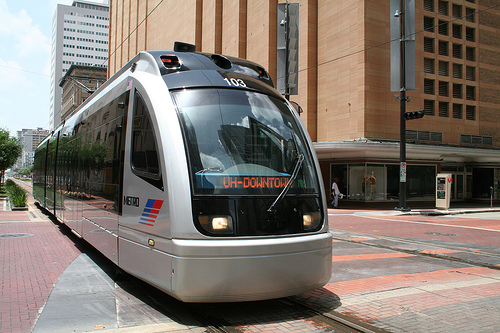
Maybe I would. I couldn’t bum rides or hitchhike, true. But if no one could drive; if everyone’s cars were taken, public transportation might improve, right? You know — planes, trains, and buses — how would anyone feel?
Speaking for myself, I think I might get sad and depressed. Thinking about not being able to come and go when I want, of having to depend on public transportation to venture anywhere more than a few miles from home makes me sick to my stomach. Freedom to travel on my own terms is a big part of what it takes for me to feel free and, yes, happy.
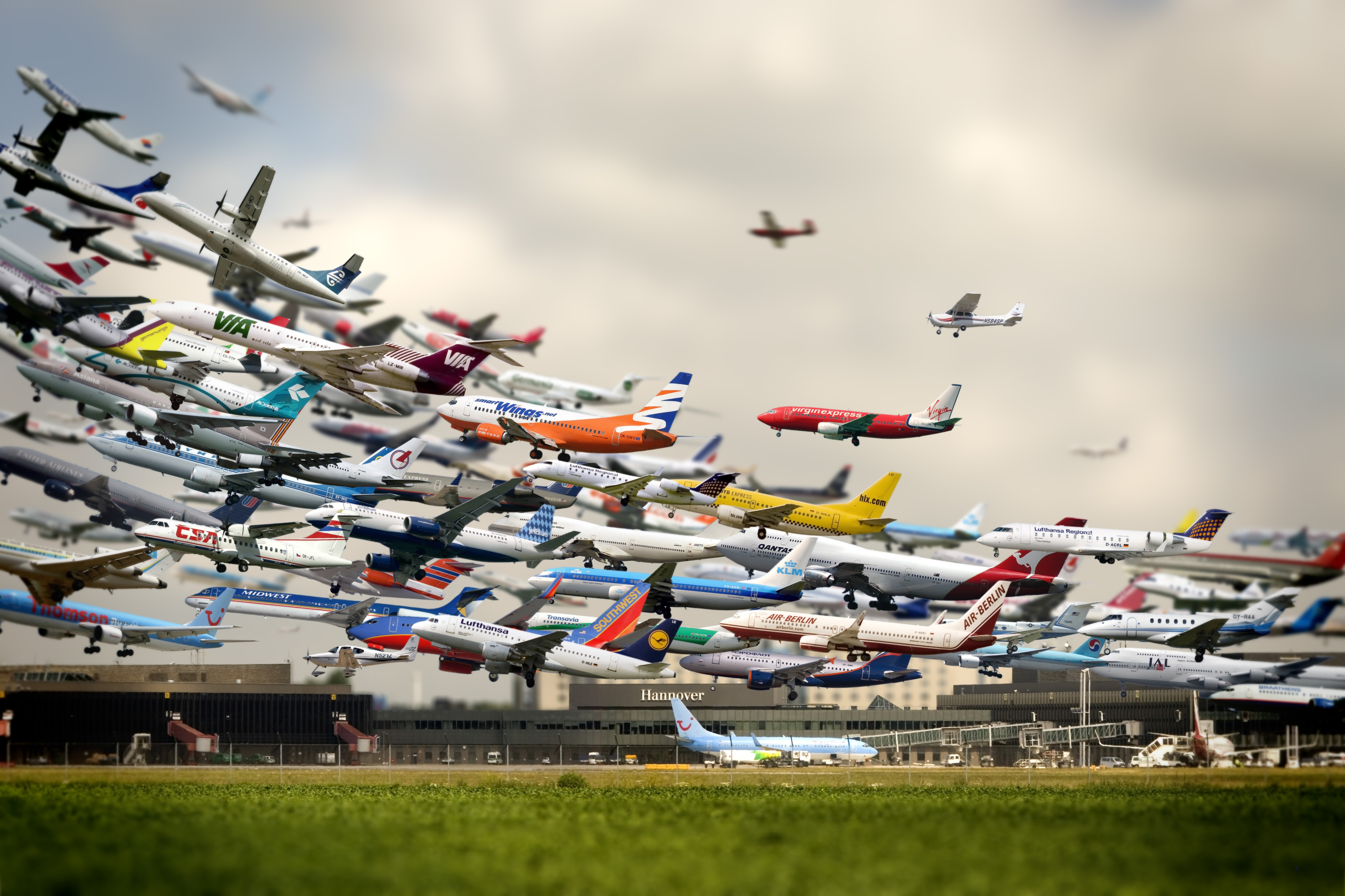
If the only way to travel to another town was by train, how would people feel?
So why torment myself with thoughts about something that’s never going to happen? What’s the point?
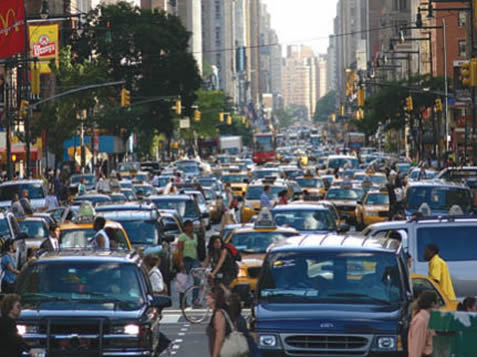
In truth, many people don’t drive, especially in large metro areas like New York City, for example. Not driving is a choice. In theory at least, New Yorkers can buy cars and move to the suburbs. Knowing they can drive if they choose makes not driving not so bad, at least for most.
In New York City, most people don’t drive.
Here’s my point. Someone is always telling us we are free, because we can vote for our leaders and start businesses; even keep the profits. No one can be arrested without cause. If arrested, all have the guarantee of due process and the presumption of innocence under the Constitution. Everyone can own guns and fire them in their backyards.
Is it possible that whoever they are might be right?
What good is declaring independence, if no one can drive?
Think about it.
80% of citizens don’t vote regularly. 98% don’t own businesses unless franchises and pyramid-schemes like Amway count; then it’s 10%.
Few citizens are ever arrested, much less charged with a crime. And most folks — those who aren’t psychopaths — take no pleasure disturbing neighbors by firing rifle rounds in their backyards. In general most don’t participate in the privileges that define freedom. People don’t feel their freedoms most of the time.
But here’s something else to think about: 95% drive cars.
Isn’t it cars that give the feeling of being free? Take away cars and no one has the same carefree feeling– no matter what the Constitution guarantees or profs teach in school or university.
People can go into the back yard and fire a hundred rounds from an assault rifle. All that will happen is their ears start to ring and their neighbors hate them.
It’s cars that give us the feeling we’re free.
The thrill of freedom comes from stepping on the accelerator of a favorite car and feeling Earth slide away below us. Freedom is the feeling that anyone can come-and-go on their own terms whenever they want.
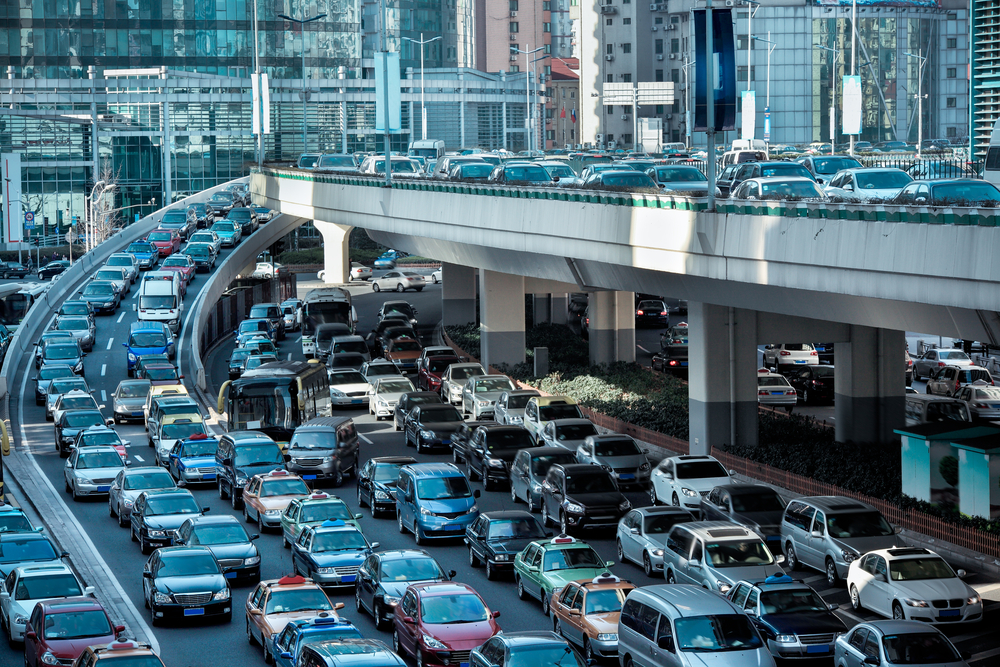
Traffic slowdowns and stand-stills are an assault on freedom.
Many Americans seem not to grasp that the right to drive is being methodically and relentlessly stripped away. In cities and towns across America, congestion on streets is presenting a clear and present danger to our way of life; it’s diminishing the freedom to travel under our own power; under our own direction, which is what everyone wants to enjoy.
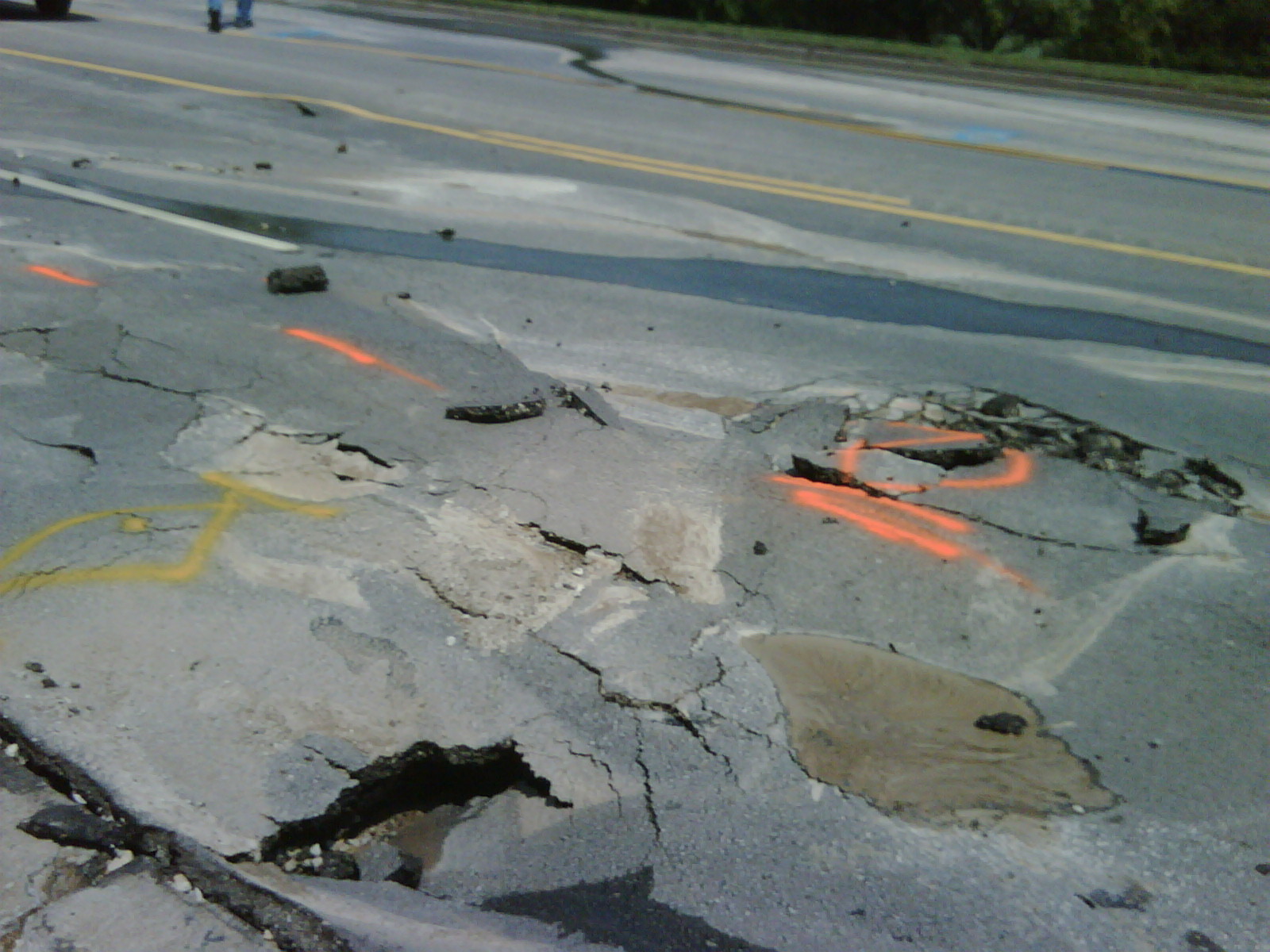
Lousy roads, poorly planned road construction, neglected road repair, deteriorated bridges and tunnels — all assault freedom and degrade our quality of life.
Bad streets are an affront to freedom. Right?
It seems obvious that four-hour waits in line to vote wrecks freedom, because waits discourage voting, the foundational process of any democracy. But four-hour commutes, traffic slowdowns and standstills are just as disruptive. They break the efficiency of our lives and muffle the nation’s economy.
The folks who run America seem to care little about voting or roads. Americans might want to step up to put pressure on politicians to make driving free and unencumbered — make freedom on the road the number-one national priority.
Driving free must be first-in-line; it is our most heartfelt and defining freedom.
In computer-controlled aircraft, passengers are only along for the ride.
I learned that a few companies have already designed aircraft to take the place of cars. In the years prior to 911, I toured a number of these firms to learn firsthand how they implemented computer software to organize their engineering drawings, bills-of-materials, and tech-specs for vendors.
The plan, then, was to unleash at the right time a new era of transportation options for the general public that included light aircraft.
These companies were designing planes to fly on autopilot along pre-established routes in the sky. They took advantage of the three dimensions of space the same way city planners use tall buildings to create more working space.
The idea was to eliminate congestion and speed traffic by stacking routes and putting computers in charge of flying instead of pilots.
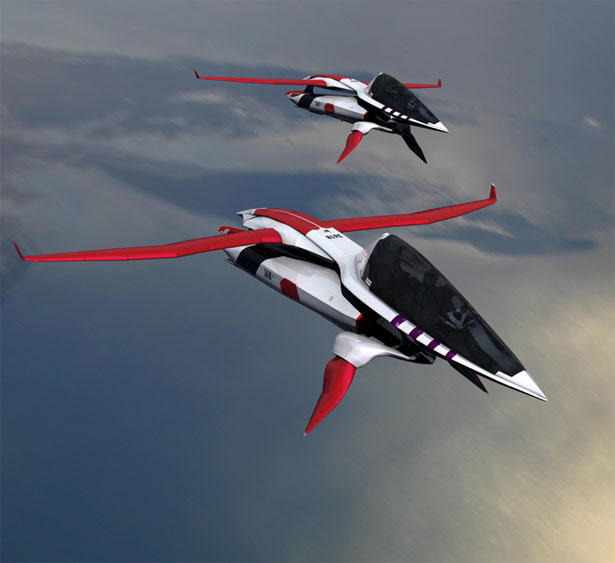
The view is great — when the sky is clear, and no one has to get out to stretch their legs.
It all seemed like a good idea at the time. But the events of 911 changed planners’ views of what it might mean to put hundreds-of-thousands — maybe millions — of flying vehicles in the airspace above America — even if the craft were flying on autopilot under the guidance of computers.
Had 911 not happened, the plans were that by now on any given day at any given time people who looked up to the sky would see and hear hundreds, maybe thousands, of high-flying aircraft buzzing to and fro 24/7.
Computer-controlled aircraft flying on 3D highways are a transportation-option, which is available for implementation when the time is right.
This high-flying, high-tech solution to highway congestion though shelved for now sits yellowing in the dark closet of national transportation options. It can be implemented when the time is right in the same way as the internet and personal-computer. But when it’s implemented, it will pose big problems.
3D highways in the sky populated by hundreds-of-thousands of computer-guided light-aircraft will have the same effect on travelers as if they were set on automated conveyor belts and whisked hither and yon.
The thrill that comes from commanding a piece of machinery and directing it to go where we decide will be gone. The feeling of empowerment and freedom experienced in cars will evaporate.
Because — you know what’s coming, right? If computers can direct the flights of millions of aircraft in three-dimensional space, they can do the same to cars on two-dimensional roads. And soon, very soon, they will.
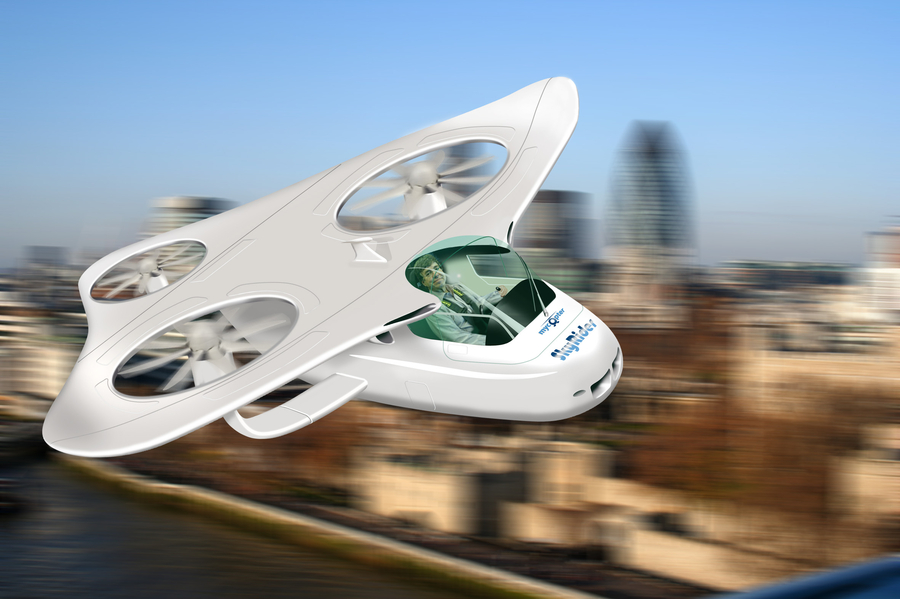
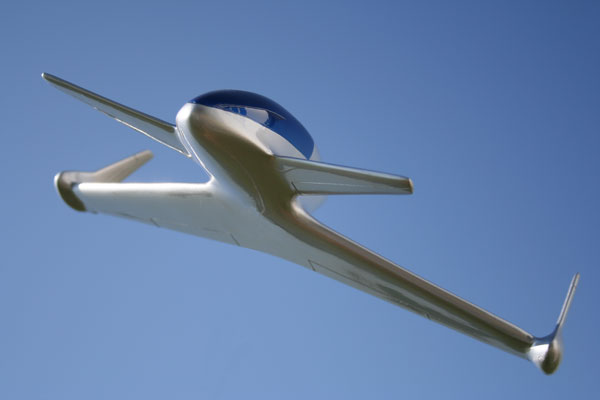
Yes, it’s pretty. But if no one is flying it, does anyone care?
Because of over-population and the inevitable congestion it brings, the time may come when people will no longer be permitted to experience the freedom of a fast car on an empty road.
Our ancestors rode horses, after all. Most people have long-since adapted to the disappearance of the horse. Perhaps people will adapt. Circumstances will force grandchildren of today’s parents to go to private tracks to experience the lost joy of driving a car.
Riding in a computer-controlled helicopter, airplane, or other flying craft might become the norm for future travelers. People will be passengers — not drivers or pilots or navigators — for the duration of their trips. People will become dependent on another technology they don’t understand and can’t control.
We are likely to become a nation of flying and driving sheep who graze in a huge three-dimensional sheep-pen.
Will freedom ring? Will people feel the thrill that comes from directing the path of complex machines that run like wild horses? Will they feel the power that comes from being free?
Will children of the future experience the exhilarating freedom enjoyed by their parents during their season of control when no one felt threatened by a vice-grip embrace of an artificial-intelligence that is hovering ominously on the horizon?
No one knows why humans like music. Dopamine floods our brains when we hear patterns of sound, that’s all. Scientists are conducting research.
April 1, 2014: Scientists in Jefferson City, Missouri discovered lab mice could play saxophones sold on Amazon.
One surprise for me at least was to learn some animals enjoy music. It should resonate with their heartbeats and play at natural, species-specific pitches and timbres.
It takes effort to create music animals like. They won’t pay for it. Even pets—most anyway—don’t self-identify as music lovers.
The Prairie Dog Three, currently on tour in Utah & New Mexico.
As far as I know, only one species takes time to create tools to play music: homo sapiens. Yes, animals like gibbons, birds, whales, insects—even dogs next door—make noises that sound suspiciously like music to most humans. Research is ongoing.
Some philosophers say music is not something that can exist in the universe apart from conscious life. Music seems to require minds to produce and at least one semi-conscious mind to like.
Sensations of pleasure initiated by vibrations of air entering ears is the result of auditory hallucinations created by brains. Air molecules bounce off structures, which stimulate brains to manufacture mysterious qualia called sound, which in turn unleashes avalanches of chemical (emotional) reactions within the body.
Many parts of the brain are involved in music appreciation. Researchers report visual, tactile, olfactory, and gustatory areas of the brain are woke by music. Research continues—sometimes with focus on definitions of peculiar words like olfactory and gustatory.
3D image of musical sound. Sound doesn’t look like what sound sounds like. …mmm…ahhh…
There seems to be no similarity between simple vibrations entering ears and complex, textured mental experience conjured by music. It might be sad for some readers to learn when Universe ends, it takes music with it.
Thomas Edison placed phonograph he patented on his head. He thus invented world’s first hearing-aid.
Most people did not hear much music before the invention of the phonograph in 1877. What music they heard was played mostly by itinerant flute musicians and occasional wood-nymphs on tambourine.
It took decades for the phonograph to become enough widespread to impact the listening habits of average people. As music technology evolved to become pervasive, its mystery inspired some scientists to try to figure out just what the hell was going on.
Simon Cowell stops cotton-candy from dribbling out his ears. Simon’s television career revealed he is unable to evaluate musical talent.
Current research suggests that as many as 4% of humans do not enjoy music. Whatever process is not going on in their heads, it seems inherited. Some simply lack genetic coding required to process musical pleasures. If all life mimicked these unfortunates, music would cease to exist.
Some make claim folks would not miss it. Music is not necessary for survival, they insist. Humans have lived on Earth for maybe millions of years without any but the most primitive forms.
Young Grandma. Note bulky headphones popular 50 years ago.
That might be. But irrepressible popularity during past 50 years in all parts of the world is proof. People like music. It’s going nowhere.
Here’s some music to help persuade skeptics:
Billy Lee
Update: 5 July 2016: When Billy Lee wrote this essay two years ago, he was naive; he didn’t know about the dark side of music. Recently he learned that music has been used by intelligence agencies since the 1980s to torture people.
Imagine being forced to listen to old sound tracks from the Lawrence Welk Show over and over. It’s a sordid, terrifying prospect. Billy Lee didn’t want to soil his essay by discussing it.
Alex Ross’s article in the 4 July 2016 issue of the New Yorker Magazine ripped open the underbelly of this stinking carcass of evil. Ross titled his essay, The Sounds of Hate.
Since then, links to the essay have been retitled to When Music is Violence. No one at The Pontificator knows why print version and Internet version titled differently.